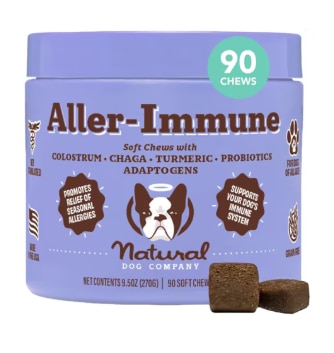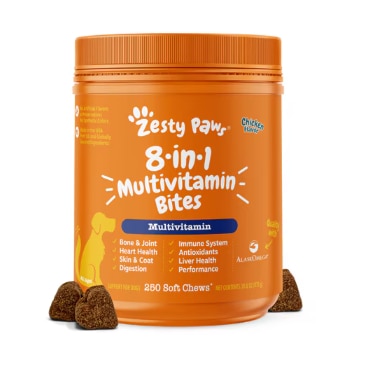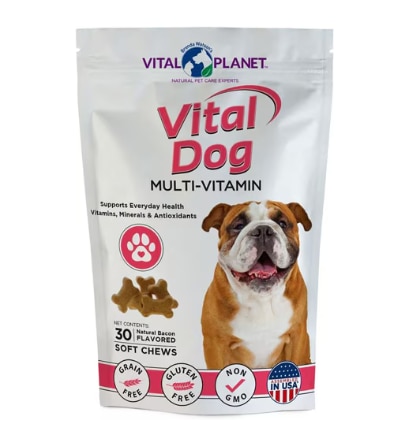

Responsible dog parents ensure their furry friends remain healthy by putting them on a balanced diet. But responsible dog parents should be aware that adding human vitamins and supplements to Daisy’s or Duke’s diet could endanger their health.
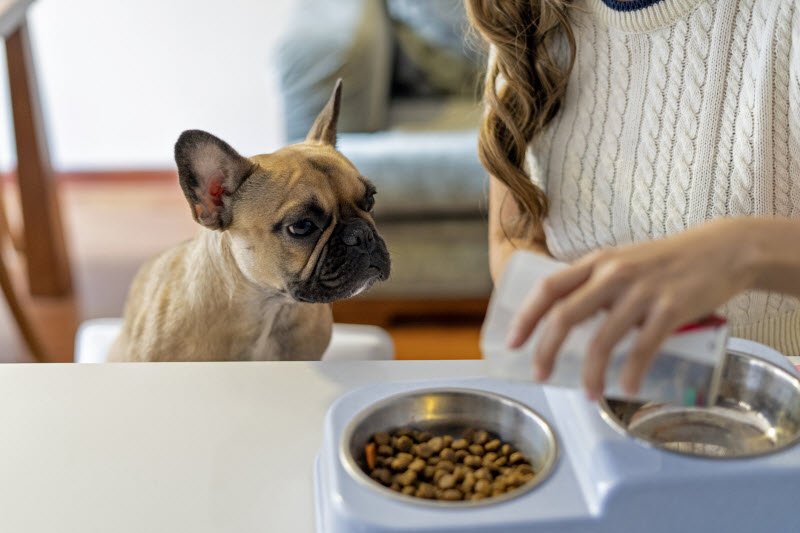
Can dogs take human vitamins?
Generally, dogs should not take human-grade vitamins or supplements. Why? Because these vitamins and supplements are formulated for people, not pets.
The only time you should give a human vitamin or supplement to your dog is if your veterinarian determines it’s safe to do so.
Otherwise, dog parents should chat with their veterinarian about which specialized vitamins and supplements are best for their four-legged pals. Your vet will make determinations based on your dog’s health issues, age, weight, breed and activity level.
“While we need many of the same nutrients, our furry best friends have unique dietary requirements. Giving them human vitamins can lead to imbalances, toxicities and even life-threatening conditions,” warns Paramount Pet Health, a supplier of pet supplements.
Pet food maker Purina cautions that human vitamins and supplements can be toxic if they contain large doses of certain nutrients (vitamin A, vitamin D or iron, for example) or even certain ingredients (like coffee extracts and the sugar substitute xylitol).
For dogs, vitamin D is one of the most dangerous nutrients from a toxicity standpoint, according to the U.S. Food and Drug Administration (FDA).
“Vitamin D is a fat-soluble vitamin, so unlike water-soluble vitamins, when a dog — or other animal — gets too much, the excess is not rapidly excreted in his or her urine,” the FDA says. “Instead, it’s stored in fat tissue and the liver. Excessive vitamin D can lead to kidney failure and even death.”
Does my dog need to take vitamins and supplements?
In most cases, dogs consume the proper amount of nutrients when they eat high-quality dog food.
“Commercial dog food diets labeled ‘complete and balanced’ are specially formulated to contain all of the vitamins, minerals and nutrients your dog needs,” according to an article posted on the American Kennel Club (AKC) website.
The AKC article notes that dogs fed a diet of homemade food might require extra vitamins and supplements, although simply giving a dog a vitamin at mealtime isn’t enough. A vet should provide a list of which vitamins and supplements should be given.
Regardless of whether a dog eats commercial or homemade dog food, Purina says a vet might recommend adding vitamins and supplements such as:
- Glucosamine and chondroitin for joint health.
- Fish oil to help ease inflammation.
- Vitamin A for healthy skin and immune function.
- Medium-chain triglycerides found in coconut oil for cognitive health.
- Probiotics for digestive health and immune support.
- Calming supplements. A study published in 2025 by the journal Frontiers in Veterinary Science found that over time, dogs given CBD supplements exhibited less aggressive behavior than other dogs.
Before giving any vitamin or supplement to your dog, check with your vet to make sure it won’t harm them. Never substitute human-grade vitamins and supplements for dog-grade vitamins and supplements, Purina advises.
If your dog’s current food is inadequate, Purina says, a vet might suggest a specialized dog food that supports a health concern like weight management, joint health, brain health or sensitive skin.
Why are vitamins important for dogs?
Vitamins catalyze or regulate various body processes and important chemical reactions within your dog’s cells, according to pet food maker Hill’s.
PetMD identifies four fat-soluble vitamins that are essential for dogs: vitamins A, D, E and K. In addition, PetMD lists nine essential water-soluble vitamins:
- Thiamin (B1)
- Riboflavin (B2)
- Pyridoxine (B6)
- Niacin (B3)
- Pantothenic acid (B5)
- Cobalamin (B12)
- Folic acid (B9)
- Biotin (B7 and H)
- Choline
Hill’s says vitamin deficiencies can lead to issues such as:
- Poor skin and coat quality
- Low energy
- Dental problems
- Bone and joint problems
- Digestive problems
- Unhealthy weight loss or gain
- Eating inappropriate items like dirt or shoes
Featured Products