
The holiday season brings with it cozy traditions and comforting aromas, often rooted in history. If you’re looking to capture the charm of holidays past, consider the humble-yet-stunning orange-clove pomander. This simple decoration, popular since Victorian times, is a timeless way to infuse your home with warmth and festivity. Using just two ingredients – citrus fruit and dried cloves – it creates a fragrant, spiced scent that lasts for weeks. It’s a great project for all ages and a simple way to bring a vintage touch to your seasonal decor.
What is a pomander?
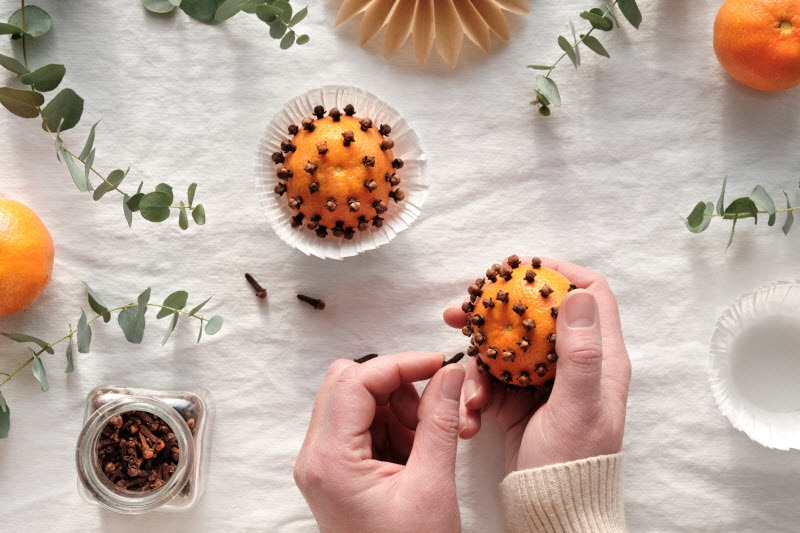
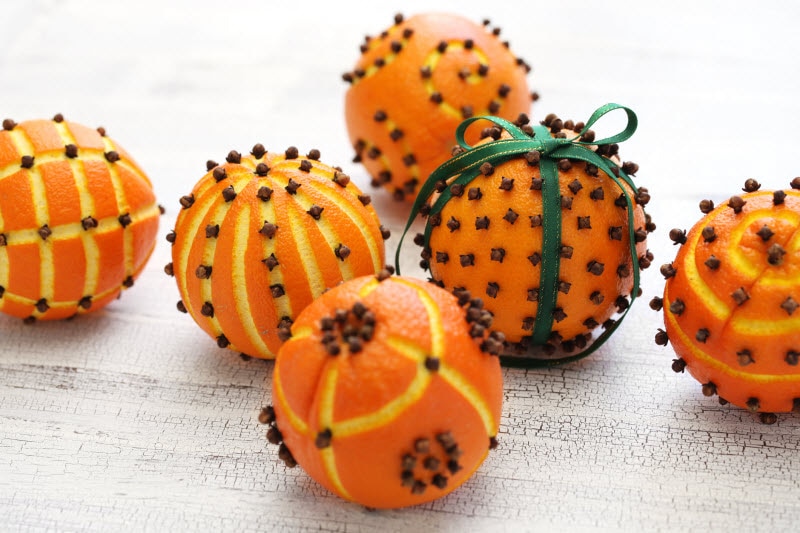
A pomander is an aromatic ornament traditionally made from a piece of fruit—most often an orange, apple or lemon—studded entirely with dried whole cloves. As the fruit dries or “cures,” the combined scents of the citrus and the spice intensify, creating a long-lasting, natural air freshener.
A little background on pomanders
The pomander has a surprisingly rich history that dates back to the Middle Ages in Europe. The word “pomander” comes from the French phrase pomme d’ambre, which translates to “apple of amber.” This refers to the original form of the pomander, which was a ball of scented materials—like ambergris, musk, civet or spices—often carried or worn in a delicate, perforated container of gold or silver.
Pomanders have been used throughout history to:
Ward against maladies: In Medieval and Renaissance times, people believed that foul odors caused illness, including the plague. Pomanders were carried or worn as amulets to ward off these noxious smells and offer protection against infection and negative spirits.
Act as a status symbol: Due to the high cost of imported spices like clove and cinnamon, or exotic scents like ambergris, elaborate pomander vessels and their contents became fashionable status symbols for the wealthy and nobility.
Decorate and freshen for the holidays: The version we know today—a whole citrus fruit adorned with cloves—became a popular holiday decoration in Victorian times, helping to freshen the air in homes during the winter months. Today, the orange-clove pomander remains a beloved, easy-to-make holiday craft.
What you’ll need to make classic pomanders
Creating an orange-clove pomander requires very few supplies, most of which you can find at Vitacost and your local grocery store.
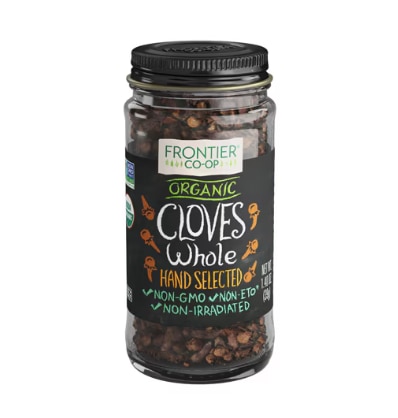
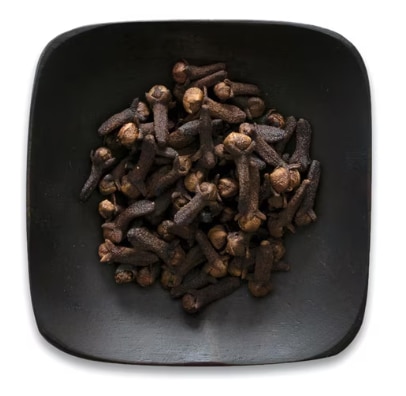
The most essential items are the oranges and whole cloves. For the fruit base, choose oranges—such as Navel or smaller clementines—that are firm, fresh and have relatively thin skins, as this makes inserting the cloves easier. The cloves provide the signature warm, spicy aroma and help dry and preserve the fruit. Be prepared to buy a large amount of cloves, as purchasing in bulk is usually the most cost-effective way to get the quantity you’ll need.
You’ll also need a piercing tool, like a wooden skewer, toothpick or knitting needle. This is important for pre-poking holes into the tough citrus rind, which saves your fingers and prevents the cloves from breaking when you insert them.
Although not 100% necessary, you should also consider a preserving powder to help the pomander cure properly. Traditionally, orris root powder was used as a fixative, helping the fragrance of the cloves and oranges to last longer. Orris root (derived from the iris plant) has its own sweet, violet-like aroma. But it can be hard to find.
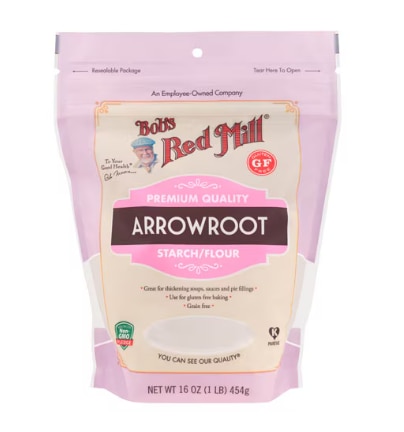
Instead, you can use easy-to-find arrowroot powder. Arrowroot is a simple starch that absorbs the moisture and oils that seep from the pierced rind. Absorption is key to preventing mold and accelerating the drying process, ensuring the pomander hardens and remains a fragrant decoration.
If you want your pomanders to be especially fragrant, you might also roll them in a mixture of ground spices like cinnamon, nutmeg and allspice. This also helps to “cure” the fruit and acts as a preservative.
Lastly, ribbon can be tied around your finished pomanders to hang them or to add a decorative touch.
Helpful tips: For the longest-lasting and most fragrant pomanders, cover the orange as completely as possible with cloves. Remember to always pre-poke the holes with your piercing tool! Trying to push cloves directly through the rind can cause them to break. Get creative with simple rows, spirals or decorative patterns by marking the orange surface with a pencil or rubber bands before you poke your holes.
Creative uses for pomanders
Once your pomanders are finished (or cured, if you choose to roll them in spices), there are many ways to use them to add fragrance and charm to your home.
- Tree ornaments: Tie a festive ribbon around the pomander, leaving a loop at the top, and hang it directly on your Christmas tree or from a mantel garland.
- Table centerpieces: Arrange several pomanders in a decorative bowl or tiered tray with pinecones, evergreen sprigs and small gourds for a beautiful, fragrant centerpiece.
- Closet fresheners: Once the pomanders are fully dried and hardened (which can take a few weeks), place them in drawers, linen closets, or storage areas. The natural scent repels moths and keeps linens smelling fresh for months (or even years!).
- Gift embellishments: Attach a small pomander to a wrapped gift with a tag for an extra-special, homemade touch.
- Potpourri base: Once a pomander has completely faded, you can break it apart and add the dried fruit and cloves to a decorative potpourri mix.
Step-by-step directions
Vintage Holiday Orange & Clove Pomanders
Ingredients
- Citrus fruit (oranges, lemons, etc.)
- 2 cups whole cloves
- 1 cup arrowroot powder
- Wooden skewer or knitting needle
- Clean paintbrush
- Optional: Ribbon; hot glue
Instructions
-
Gently wash fruit and pat dry.
-
If creating a design, use a pencil to lightly draw lines on the skin of the fruit.
-
To insert cloves, use skewer or knitting needle to poke small hole beforeinserting cloves.
-
When design is finished, carefully roll fruit in orris or arrowroot powder. Lightly shake fruit to remove excess powder. Use clean paintbrush to carefully brush away any lingering powder.
-
If desired, use hot glue gun to affix ribbon to open area of fruit to hang; tieknot or bow.
Recipe Notes
Get a bulk bag of whole cloves and arrowroot powder now!

Featured Products