

Dental hygiene is a critical part of overall health, but many people struggle to maintain their teeth. Brushing alone can leave plaque and bacteria in spaces between teeth and along the gumline, and flossing can be difficult in hard-to-reach places. If these challenges sound familiar, consider trying a water flosser.
A water flosser gently rinses these areas, helping clear debris, reduce plaque and support gum health. It’s a practical option if you have orthodontic work, dental restorations or struggle with traditional floss. This guide will walk you through the benefits and best practices for using a water flosser.

Water flossers and how they work
A water flosser is a handy tool you can use at home to clean between your teeth and along your gums. It shoots a gentle stream of water to wash away plaque and food particles, and you can even add a bit of mouthwash for extra freshness. Water flossers are great for those who find regular flossing challenging, especially if you have braces, implants or sensitive gums.
“Water flossers are an excellent alternative to traditional floss,” Dr. Abdul Dalghous, principal dentist at Yorkshire Dental Suite, says, adding that they are particularly beneficial for individuals who experience discomfort or difficulty with string floss.
Who can benefit from a water flosser
Everyone can benefit from using a water flosser, as flossing is an essential step in your daily oral care routine. While brushing is key in cleaning your teeth, a toothbrush does not always reach every spot in your mouth, especially between the teeth. That’s why flossing, whether with regular floss or a water flosser, is necessary.
Compared to string floss, water flossers are as effective as traditional floss at removing plaque between teeth, even after a single use. They’re also a great choice for people with braces, implants or other fixed dental work. Using a water flosser makes keeping your smile clean and healthy easier for everyone.
The benefits of using a water flosser
Dr. Catrise Austin is a cosmetic dentist at VIP Smiles Dentistry, author of Gum Health Made Simple and host of the Let’s Talk Smiles Podcast. She says that research shows water flossing can noticeably reduce gum bleeding and inflammation more than brushing alone. For those with gingivitis, using one consistently can even outperform traditional string floss in some cases.
“One of the most overlooked benefits is behavioral,” Austin says. “Patients who won’t floss daily are far more likely to use a water flosser consistently, and consistency is critical for controlling gum inflammation.”
Dalghous also says adjustable pressure settings make water flossers “kinder on sensitive gums.”
Limitations of water flossers
As with any health tool, education is one of the most effective preventive tools you can have. Understanding which oral hygiene devices work best for your teeth can make a significant difference in your oral health.
“Water flossers do not replace mechanical plaque removal,” says Austin. “They rinse away food debris and bacteria, but they don’t remove sticky biofilm as effectively as traditional floss or interdental brushes. Biofilm is what drives gum disease.”
If gum disease is a concern, consult your dentist about what tools work best for you.
Dr. Jonathan Neman from Neman Family Dentistry says that water flossers can dislodge a loose filling or crown, but that should not be a concern if you have had proper dental care.
“More of a downside is that patients sometimes think water flossers replace brushing, and they do not,” Neman says.
Flossing and brushing go hand-in-hand and work together to keep your smile sparkling.
How to use a water flosser correctly
“To use water flossers effectively, use the different settings and tip sizes to see what’s the most comfortable,” Neman recommends. “When patients first start, I recommend they try the most gentle setting. The first few times might feel odd, and turn the person off from using it entirely.”
Getting familiar with your flosser can help you feel more comfortable with it.
Austin advises using a water flosser after brushing to “flush bacteria and inflammatory byproducts from the gumline.”
Then, using low pressure, carefully trace your gumline with the water stream. Austin says you should use your flosser daily, as consistency will yield the best results.
Be aware that you may experience some bleeding.
“Don’t avoid bleeding areas,” Austin says. “Bleeding usually reflects inflammation, not injury.”
Austin adds that bleeding should improve within two weeks, but if it does not, it may be a sign of deeper gum inflammation.
How to choose the best flosser
When selecting a water flosser, choosing a high-quality model is essential for achieving optimal results in your oral care routine.
As recommended by professionals, look for a flosser with adjustable settings. This will allow you to start out with a gentle water flow and increase as needed to help your gums adapt.
An adjustable rotating nozzle can enable you to reach all corners of your mouth, especially those tricky spots you might miss with string floss. This feature can also be beneficial for people with braces.
An ergonomic handle is a plus for anyone, but particularly for those with mobility or grip issues. Water flossers are a great alternative for anyone who has a hard time using standard floss, so an ergonomic design will increase the ease of use even more.
Finally, choosing a cordless and lightweight option makes it easy to transport. Consistency is key in a healthy dental routine, so you will want to pack your water flosser when you travel.
Build your oral care essentials
Enhance your daily routine with natural, effective oral care products that promote healthy teeth and gums.
1. Dr. Bronner’s Organic All-One Toothpaste Fluoride Free Peppermint
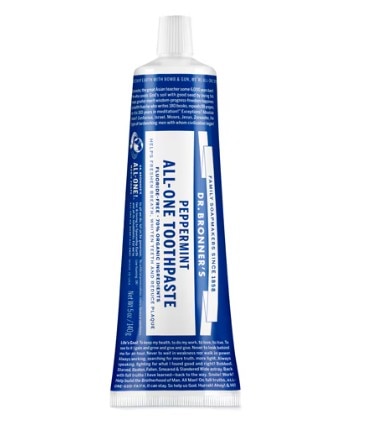 The Dr. Bronner’s Organic All-One Toothpaste Fluoride Free Peppermint naturally supports healthy teeth and gums, reduces plaque, whitens teeth, and freshens breath. With 70% organic ingredients, this product contains no synthetic detergents, preservatives or fluoride.
2. Desert Essence Natural Refreshing Tea Tree Oil Mouthwash
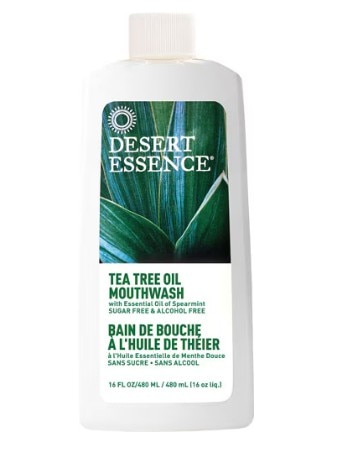 The Desert Essence Natural Refreshing Tea Tree Oil Mouthwash gently cleans and freshens your mouth, reducing plaque with natural antiseptic tea tree oil. It’s sugar-free, alcohol-free and spearmint-flavored, leaving breath minty without harsh chemicals or artificial additives.
The sparkling finish
Adding a water flosser to your routine can bring a new level of ease and comfort to daily oral care. Regular use supports gum health and helps keep your mouth feeling clean and balanced.
Paired with daily brushing, water flossing can simplify your routine while delivering noticeable results. Over time, this consistent habit can leave your smile feeling fresher, healthier and more polished.