
If you feel like castor oil is plastered all over your social media feeds, you’re not alone. Though it’s been around for thousands of years, castor oil is currently having a moment. From rubbing it onto your eyelashes to massaging it onto your feet, it has uses from head to toe (literally).

The next evolution in the castor oil trend? Castor oil packs. This refers to soaking a piece of fabric in castor oil and applying it to the body. Proponents of the trend say it’s helpful for bloating, constipation, period cramps, pain, and more.
If the possible benefits of castor oil sound intriguing, castor oil packs may be on your radar. Here’s what to know about making and using a castor oil pack.
What is a castor oil pack?
First thing’s first, what is castor oil? It’s a type of vegetable oil derived from the castor bean plant (Ricinus communis). However, it’s not a cooking oil, so you won’t find it next to the olive or avocado oils in the supermarkets. If you’re looking for castor oil in stores, you might find it near the pharmacy or in the health and beauty section.
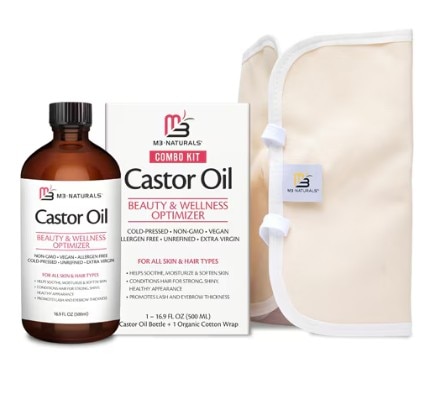
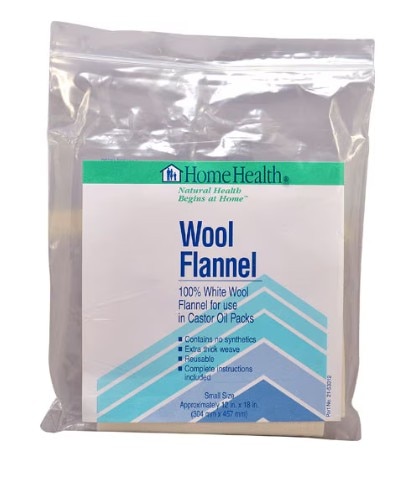
Using a castor oil pack (aka castor oil packing) is one way to utilize it. A castor oil pack is simply a piece of fabric or cloth, such as cotton or wool, that’s soaked in castor oil and applied to the body, most commonly the abdomen. Some people use special wraps to secure it to the body and apply a gentle heat source on top of it. There are even castor oil pack kits on the market, such as the M3 Naturals 100% Castor Oil + Body Wrap Kit.
Why use a castor oil pack instead of applying the stuff topically? The idea is to use fabric and optional heat to create a barrier in order to enhance penetration. Fabric also adds a layer of protection between the thick oil and your clothes and upholstery since it could potentially stain. Some people choose to apply castor oil before bed, so the pack helps shield your sheets from grease marks.
What research suggests
Are castor oil packs safe? Are they effective? The research on this is sparse, and much of the praise comes from personal anecdotes, but here’s what we know.
Castor oil is generally considered safe, though it only has one FDA-approved use, which is as a stimulant laxative for occasional constipation. This means other claims, including its topical uses, aren’t backed by strong evidence. For example, can castor oil packs detox your body or shrink tumors? These claims, though commonly circulated on social media, don’t have any scientific backing, according to the Cleveland Clinic. There are also potential side effects, such as allergic reactions, skin irritation, stomach cramping, and others.
This isn’t to say that castor oil isn’t beneficial or hasn’t helped some people. Much of castor oil’s potential perks can be attributed to its potent concentration of fatty acids, particularly ricinoleic acid. Earlier animal models suggest that ricinoleic acid may possess anti-inflammatory properties. However, more research is ultimately needed and consulting a healthcare professional is always a wise idea.
How to make and use a castor oil pack
There are two ways to use castor oil—orally and topically. Castor oil packs aren’t consumed but rather applied externally. Plus, castor oil shouldn’t be consumed regularly or in large amounts anyway.
So long as your healthcare team is on board, here’s how to make and use a basic castor oil pack:
- Gather your supplies. You’ll need a bottle of castor oil and a piece of fabric or cloth.
- Pour a few spoonfuls of castor oil onto the fabric. It should be saturated, not dripping.
- Apply the oil-soaked fabric to the intended area of the body, such as your abdomen. This can be done by using wraps that fasten around the body.
- Leave it on for as little as 30 minutes or up to overnight.
- Wash your hands with soap that cuts through grease after handling castor oil.
There are also some optional steps you can take, which include:
- Massage it in. Some people massage the stomach and work the castor oil into the belly button, believing this can boost its effects on digestion.
- Add a layer of plastic wrap around the castor oil pack. This helps trap the castor oil while also preventing stains.
- Apply a gentle heat source, such as a heating pad or hot water bottle, to enhance absorption. Just take care to use heat safely.
- Wipe or rinse the remaining castor oil when you remove the pack. Alternatively, some people allow the residual oil to fully absorb into the skin.
Best practices for using a castor oil pack
Making a castor oil pack is fairly simple. Here are some additional tips to consider as you hone in on what works best for your routine.
Selecting castor oil
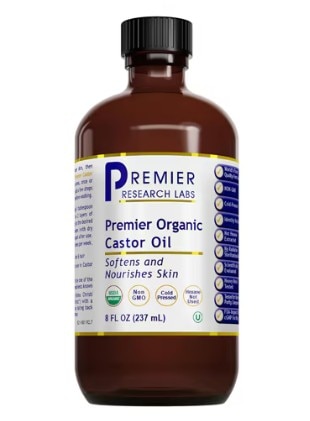
Look for 100% pure castor oil to reduce irritation from added ingredients. “Cold-pressed” and “hexane-free” are also labels worth looking for. These mean the castor oil was mechanically extracted without chemical solvents. Some people also prefer organic castor oil stored in dark glass jars. To make things simple for you, the Premier Research Labs Premier Organic Castor Oil checks all these boxes.
Frequency of use
How often to a castor oil pack? There’s no universal recommendation, so it’s generally advised to use it “as needed.” For some, this is 1–3 times per week. For others, it’s daily or nightly.
Because castor oil could cause an allergic reaction, it’s a good idea to perform a small patch test before applying to larger areas. Proponents of castor oil packs also recommend starting slow to see how your body reacts before committing to more regular use.
How and when to wash it
You don’t have to wash your castor oil pack after every use, but you should wash it before the first use and after every 2–3 uses. However, some people wash it infrequently, allowing the castor oil to saturate the fabric more with each additional use. When it’s due for a cleanse, do so by soaking, hand washing, or machine washing it in a laundry bag on a delicate cycle. Allow it to hang dry.
How to store it
When not in use, store your castor oil pack in an airtight container in a cool, dry environment. This helps prevent the oil from coming into contact with anything it could possibly stain. Some people place it in a glass jar in the refrigerator between uses as this helps maintain freshness. When the fabric is worn and discolored, it could be time to replace it.
Featured Products