
Have you ever followed a gentle skincare routine and still wondered why your skin feels tight, itchy or irritated the moment you rinse your face? If your products are simple and your technique is gentle, the missing piece is sometimes the water itself. Hard water can quietly add friction to your routine by leaving mineral residue behind, which can make dryness, sensitivity and even breakouts harder to control.
This article explains how hard water impacts your skin and offers simple, practical fixes that can make a noticeable difference.
What is Hard Water?
Hard water is water with higher levels of dissolved minerals, mainly calcium and magnesium. Calcium and magnesium are harmless to drink, but they behave differently on the skin and hair than soft water does. When hard water dries on the skin, it can leave a very thin, invisible mineral layer behind. With repeated washing, that residue can build up and make skin feel less comfortable and less smooth.
Effects of Hard Water on Skin
Hard water can interfere with how cleansers rinse. Minerals can bind to cleansing agents, which may reduce lather, make rinsing feel incomplete and leave a film on the skin. That film can contribute to a tight feeling after washing and a dry, rough sensation that returns quickly, even after moisturizing. Over time, this extra residue and repeated friction can stress the skin barrier, which is when stinging and increased sensitivity show up, along with the common complaint that products suddenly feel too strong.
Signs Your Skin May Be Reacting to Hard Water
One of the earliest clues is a very specific pattern: your skin feels tight or uncomfortable right after you rinse, even before you put anything on. Then you moisturize and it feels better for a short time, but the tightness comes back quickly, almost like your skin cannot hold onto hydration. Many people also notice a dull, slightly rough texture that feels out of step with an otherwise gentle routine.
Layering issues are another giveaway. Makeup and sunscreen may roll up, sit unevenly or cling to dry patches, especially around the sides of the nose, mouth and jawline. That can happen when a thin mineral film is sitting on the surface and your products cannot spread smoothly. You may also notice increased sensitivity, like stinging with products you used to tolerate, flushing more easily or random flaky patches that appear without an obvious new trigger.
Why Hard Water Can Worsen Sensitive Skin Conditions
If you have eczema, rosacea, atopic dermatitis or acne-prone skin, your barrier is already working harder than average. Hard water adds another stressor by leaving residue behind and making cleansing less effective, which can increase dryness and low-grade irritation with repeated washing. It does not create these conditions, but it can make flares feel more frequent, more stubborn and harder to calm.
When you reduce hard water exposure and lower friction in your routine, treatments tend to work more predictably and the skin often feels steadier, not overnight, but gradually over several weeks.
Changes That Reduce Hard Water Irritation
When hard water is part of the problem, the goal is not to overhaul your routine. The goal is to reduce mineral buildup and cut down on the little daily stressors that keep your barrier irritated. A few small tweaks to how you cleanse and rinse are usually enough to help your moisturizer and sunscreen apply better and feel more comfortable.
Lower the water temperature
Hot water strips oils faster, so it magnifies the tight, dry feeling that hard water can trigger. Switch to lukewarm water for face washing and showers and keep rinse time short. This one change often improves comfort within days because you are reducing barrier stress at every wash.
Role of water filters and softeners
If your goal is to reduce hard water irritation, it helps to know what each option can and cannot do.
Most shower filters mainly reduce chlorine, which can make water feel less drying. But the minerals that make water hard (calcium and magnesium) usually stay in the water, so a filter may not fully stop buildup on skin. A water softener is the more reliable option for reducing those minerals because it targets the minerals that create residue.
If you cannot use a water softener, pairing a chlorine-focused filter with shorter, lukewarm showers and immediate moisturizing can still reduce irritation.
Finish with a filtered or bottled water rinse
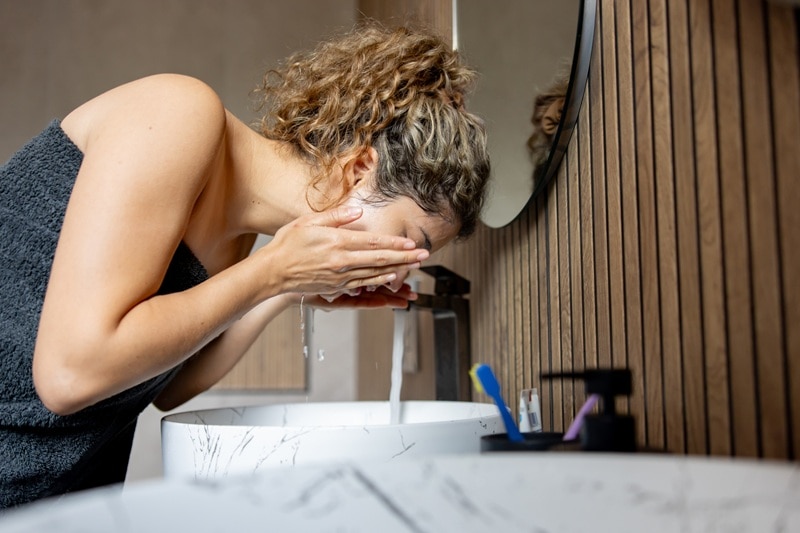
If you cannot change the water coming out of your shower, change the last step that stays on your skin. A quick final rinse on the face with filtered water can reduce the film feeling and help products apply more smoothly. It is a simple habit, but it can make skin feel less tight and look less patchy over time.
Skincare Routine Adjustments for Hard Water
When hard water irritates your skin, the goal is to cleanse effectively without leaving residue behind. You do not need more steps, you need gentler steps that rinse clean and support hydration.
Double cleanse to remove buildup
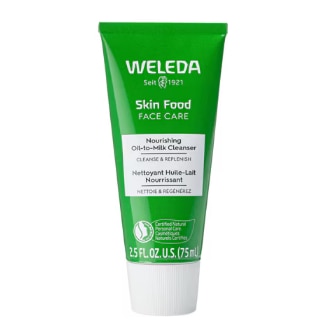
If you wear sunscreen, makeup or heavier skincare, double cleansing can help you remove buildup with less rubbing. Start with an oil-based cleanser, like Weleda Skin Food Face Care Nourishing Oil-To-Milk Cleanser, to lift sunscreen and surface residue, then follow with a gentle water-based cleanser, like Cetaphil Daily Facial Cleanser, to clear what is left.
Moisturize within three minutes of showering
After washing, pat skin dry gently and apply moisturizer while skin is still slightly damp, ideally within three minutes. This helps lock in water before it evaporates and reduces that post-rinse tightness.
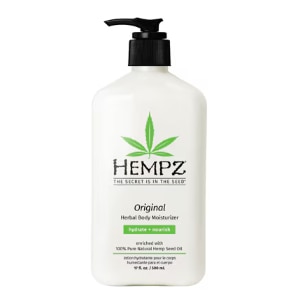
Barrier-supporting ingredients to look for include glycerin, shea butter, dimethicone and seed oil. If you prefer a lighter feel, apply a thinner layer but stay consistent. Hempz Herbal Body Moisturizer Original can be a comfortable everyday option because it softens skin without feeling heavy or greasy.
Signs of Hard Water on Hair & Products to Help
Your scalp can also react to hard water in the same way your face does. When minerals build up, shampoo may not lather or rinse as cleanly and the scalp can feel coated rather than truly clean. That often shows up as tightness after washing, itch, more visible flaking or dandruff that seems stubborn.
Hard water can also change how hair looks and feels. Many people describe a rough, dull texture, less shine and a coated feeling that makes conditioner seem less effective. When the scalp barrier is irritated, it is easy to fall into a cycle of hot water, extra scrubbing and frequent washing, which usually worsens dryness.
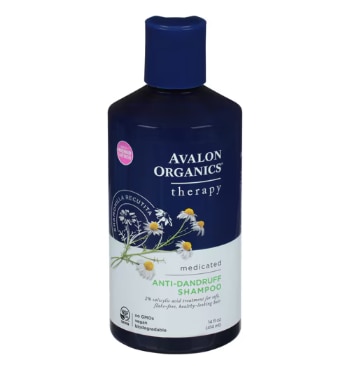
A more effective approach is a gentler technique plus targeted buildup control. Keep water lukewarm, massage with fingertips rather than nails and use a gentle daily shampoo, like Shikai Everyday Shampoo, most wash days. Add a clarifying shampoo, like Tree to Tub Clarifying Shampoo for Oily Hair & Sensitive Scalp, about once weekly if buildup is obvious, then follow with conditioner, like Honest Conditioner Sensitive Fragrance Free, on mid-lengths and ends. If flaking is oily, persistent or itchy, an anti-dandruff shampoo can help. A good option to consider is Avalon Organics Therapy Medicated Anti-Dandruff Shampoo. If you notice thick scale, scalp soreness or increased hair shedding, it is worth checking in with a dermatologist to confirm the diagnosis and get the right treatment plan.
When to See a Dermatologist
Persistent dryness, itching, burning, redness or repeated flares despite routine changes are signs that it is time to see a dermatologist. Conditions like eczema, rosacea, seborrheic dermatitis and chronic acne often need targeted treatment. Hard water can add to irritation, but it is rarely the only cause. A professional evaluation helps identify what is driving your symptoms and builds a plan that is realistic for your skin type and lifestyle.
Conclusion
Hard water is an easy factor to miss because it is part of daily life. But when it is stressing the barrier, it can keep skin feeling tight, rough and reactive even with a gentle routine. The most helpful approach is simple: reduce heat and friction, cleanse with products that rinse clean and moisturize consistently. With steady barrier support, you can notice your skin and scalp feel calmer and more predictable over time.
Disclaimer
This article is for educational purposes only and does not replace medical advice. Please consult a qualified dermatologist or healthcare professional for diagnosis and personalized treatment recommendations.
Featured Products