
The holidays are supposed to be the most wonderful time of the year, but if we’re being honest, they can also be the most stressful. Between shopping lists, travel plans, family expectations and year-end deadlines, it’s easy to find yourself running on caffeine and tension. And for many people, that stress shows up as a throbbing, relentless headache right when they’re supposed to be celebrating.
If you’ve ever felt your temples pounding in the middle of a family gathering or woken up with that dull, tight pressure in your head after a week of holiday prep, you’re not alone. Holiday stress headaches are real, and they’re incredibly common. The good news is that you can prevent most of them, and if one does sneak through, there are gentle, natural ways to ease it.

What’s the difference between a headache and a migraine?
Not all headaches are created equal, and knowing the difference can make it easier to manage them effectively.
- Headaches are typically caused by muscle tension, dehydration, fatigue or stress. They tend to create a dull, tight or pressing pain that’s often described as a band squeezing around the head or pressure behind the eyes.
- Migraines, on the other hand, are a neurological condition. They cause intense, throbbing pain (often on one side of the head) and can come with nausea, sensitivity to light or sound and visual disturbances.
For most people during the holidays, though, the culprit is a tension headache, also commonly known as a stress headache.
Why holiday stress headaches happen
According to recent studies, more than one-quarter of adults in the United States reported feeling too stressed to function, and that’s before adding holiday pressure to the mix. When stress levels rise, your body goes into “fight or flight” mode. Muscles in your neck, shoulders and scalp tighten, breathing becomes shallow and you might skip meals or forget to hydrate. Combine that with bright lights, loud gatherings, rich food and maybe a few late nights, and it’s no wonder your head starts to pound.
The holiday season adds several unique triggers for stress headaches, including:
- The pressure to make everything perfect. You want the decorations, gifts and meals to live up to everyone’s expectations (including your own).
- Increased financial strain. Gift-giving and travel costs can cause anxiety that lingers in the background all season.
- Schedule overload. Too many commitments and not enough downtime can lead to burnout.
- Sleep disruption. Staying up late wrapping presents or traveling across time zones can throw off your sleep schedule.
- Tension in the body. Physically carrying stress can look like tight shoulders, a clenched jaw and a furrowed brow, all of which contribute to headaches.
- Dehydration and skipped meals. It’s easy to forget basic self-care when you’re constantly on the move or catering to others.
These factors stack up, and before you know it, you’re rubbing your temples and wondering how your “joyful” holiday turned into such a hectic experience.
“Just the combination of the stress of being off schedule, stress missing sleep, feeling like there’s something always hanging over your head that you’ve got to get done in a timely fashion, you don’t want to let people down, you don’t want to disappoint people, it can really play a major role in how people feel, especially with headaches.” – Dr. Francis “Skip” Strain, Mercy Medical Center
Recognizing the symptoms of a stress headache
Tension headaches build gradually rather than strike all at once, and if you’re paying attention, you may be able to notice one developing before it fully sets in. Recognizing symptoms when they begin gives you a chance to pause, reset and stop the pain before it takes over your day.
Common headache symptoms can include:
- A dull, aching pain or pressure around your forehead or the back of your head
- Tightness in your neck, shoulders or jaw
- Mild sensitivity to light or noise
- Trouble concentrating
- Irritability or fatigue
Preventing holiday headaches before they start
You might not be able to completely eliminate holiday stress, but you can reduce its impact. Prevention is about balance: managing your time, taking care of your body and giving yourself permission to step back when things get hectic.
Here are some practical, natural ways to keep headaches at bay this season:
1. Set realistic expectations
The holidays don’t have to be perfect to be meaningful. Let go of the idea that everything must go according to plan. Focus on connection and enjoyment instead of flawless execution.
“[To keep stress from building and triggering headaches], it really helps to let go of some of the ‘shoulds’. Decide on the one thing that matters most, and the things that bring you the most joy, and let go of other things.” — Lynn F. Bufka, head of practice at the American Psychological Association
2. Keep a regular sleep schedule
Lack of sleep is one of the biggest triggers for headaches. Try to maintain a consistent bedtime and wake-up time, even when your schedule gets busy. Natural sleep support, such as magnesium or melatonin, can further improve your sleep quality. If you’re traveling, adjust gradually to new time zones to help your body adapt.
3. Stay hydrated
Dehydration is another common cause of headaches. Keep a water bottle with you throughout the day and limit excess caffeine and alcohol, which dehydrate you further.
4. Eat balanced meals
It’s easy to skip meals or indulge in too much sugar during the holidays, but poor nutrition can lead to headaches. Aim for balanced meals with plenty of whole grains, lean protein, fruits and vegetables to keep your energy stable.
5. Take mini breaks
Family gatherings and crowded events can be overwhelming. Even five minutes of silence, such as deep breathing, stretching or stepping outside, can reset your nervous system. Use these breaks to roll your shoulders, unclench your jaw and let your mind take a much-needed rest.
“Although mindfulness is becoming an overused term in society today, there is something of value we can take from this and apply to the holiday season… [I recommend] scheduling intentional micro-breaks… for example, you may… take a 15-minute walk outside, or even set a timer and take a 15-minute bath uninterrupted.” — Brook Choulet, MD, Concierge Performance Psychiatry
6. Move your body
The table might be where the conversation happens, but your body still needs movement. Exercise is a powerful stress reliever, and you don’t need an intense workout to feel the benefits. A brisk walk, yoga session or quick stretch can release built-up tension and boost endorphins.
7. Watch your posture
Hours of wrapping presents, cooking or scrolling on your phone can strain your neck and shoulders. Keep your shoulders relaxed, your chin slightly tucked and your screen at eye level to reduce muscle tension.
Natural headache remedies
Even with the best prevention, stress headaches can still happen. Before reaching for painkillers, try these natural headache strategies to ease discomfort and help your body recover.
1. Hydrate and rest
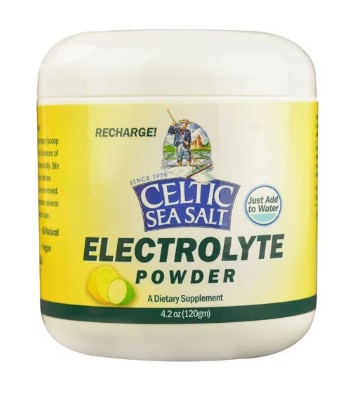
Drink a full glass of water and find a calm, dimly lit space to rest. If plain water isn’t your favorite, try replenishing with an electrolyte drink. Sometimes a little hydration and quiet can make all the difference when it comes to feeling better.
2. Apply heat or cold
Use a warm compress on your neck and shoulders to relax tight muscles, or a cool cloth on your forehead to soothe pounding pain.
3. Try aromatherapy
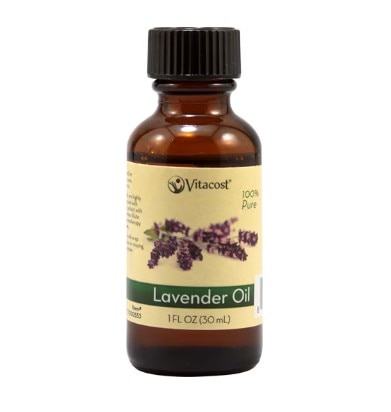
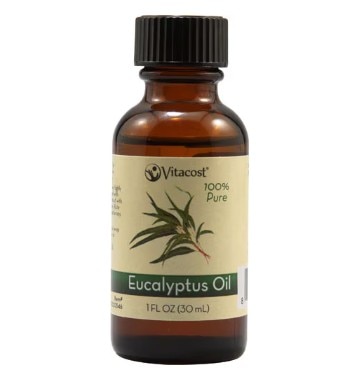
Essential oils can help reduce tension when you feel stress starting to build. Scents like peppermint, eucalyptus or lavender can ease muscle tension and promote relaxation. Try adding a few drops to a warm bath, using a diffuser or mixing them with a carrier oil for a gentle temple or neck massage.
“Aromatherapy can offer a sense of control and comfort for people living with chronic headaches, and the ritual itself helps down-regulate the stress response.” — Dr. Jane Buckle, author of Clinical Aromatherapy
4. Massage and stretch
Gently massaging the base of your skull, temples and shoulders can improve circulation and release tightness. Tilt your head side to side, roll your shoulders back and take deep, slow breaths to ease tension.
5. Practice deep breathing or meditation
Stress headaches thrive on shallow, rapid breathing. Counteract this with slow, diaphragmatic breathing. Inhale through your nose for four counts, hold briefly, then exhale through your mouth for six.
6. Reduce screen time
It’s tempting to keep your followers updated in real time, but bright lights and constant notifications can worsen headaches. Lower your screen brightness, use blue light filters or take a short digital detox.
7. Drink herbal tea
A mug of warm herbal tea does wonders for both your body and mind. The gentle heat helps ease tension, and ingredients like chamomile or peppermint offer a soothing, hydrating way to unwind.
8. Prioritize recovery
Once the headache fades, give your body time to recover before jumping back into the holiday hustle.
Most holiday stress headaches are temporary and manageable, but if you experience headaches that are frequent or accompanied by more severe symptoms, like vision changes or nausea, talk to a healthcare provider for personalized care and next steps.
A headache-free holiday
The holidays can bring joy, connection and celebration, but it’s important to remember to take care of yourself in the process. By managing stress and listening to your body’s needs, you can stay clear-headed and actually enjoy the season you’ve worked so hard to create.
Featured Products