
Many health-conscious consumers have been alarmed by recent reports of high levels of lead in brands of cinnamon and protein powder.
In October, Consumer Reports published the results of an investigation that found potentially unsafe levels of lead in many protein powders and shakes.
The publication discovered that more than two-thirds of the 23 products it tested contain more lead in just one serving than is thought to be safe to consume in an entire day.
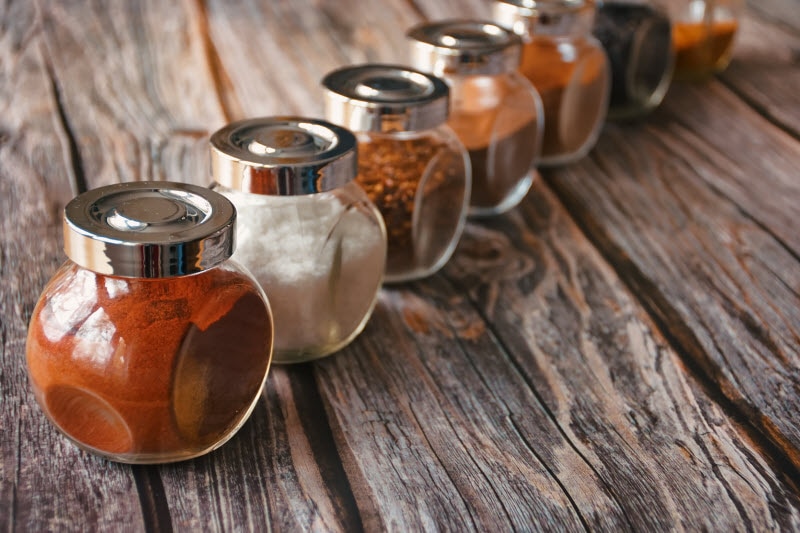
The U.S. Food and Drug Administration also recently announced that elevated levels of lead are present in ground cinnamon products from more than a dozen companies.
Exposure to lead can put your health at risk, and can even be fatal in some cases.
“Unfortunately, as foods are tested we are discovering that more and more are contaminated with lead,” says Sharon Palmer, a California-based registered dietitian nutritionist who is known as the “the plant-powered dietitian.”
Why is lead in food potentially unsafe?
Lead is toxic to humans regardless of their age, according to the FDA. The agency says it both monitors and regulates levels of lead in food because “there is no known safe level of exposure to lead.”
Exposure to lead is particularly dangerous for young children whose brains are still developing.
From the in-utero period to early childhood, lead exposure can result in lower IQ, learning disabilities and behavioral challenges. Some kids also may develop hearing and speech deficits, or problems with their kidneys and nerves.
In adults, lead exposure can result in kidney dysfunction, hypertension and neurocognitive issues.
“Even small amounts of lead can be harmful,” Palmer says.
Factors that influence how significantly lead in food affects health include:
- The level of lead in the food item
- The age of the person exposed to the lead
- The length, amount and frequency of exposure to lead in food
As the level of lead in the blood rises, adverse consequences may become more severe, according to the Centers for Disease Control and Prevention.
The CDC notes that most people exposed to lead show no symptoms, making it more difficult to gauge your potential level of danger.
“You can check your blood levels for lead to determine your own personal levels,” Palmer says.
How lead gets into food
Because lead is naturally found in the environment, it is impossible to completely prevent it from entering the food supply. Lead often finds its way into ingredients during the drying, storing, coloring and grinding processes, Palmer says.
“Lead also can get into the environment due to issues like manufacturing, or contamination with paint, gasoline and plumbing materials made with lead,” she says.
The CDC says lead has been found in some candies, such as those that contain the ingredients chili powder and tamarind.
Even the ink from packaging can get into food products and ingredients. In some imported candies, lead from ink on plastic or paper candy wrappers seeps into the candy itself, according to the CDC.
In addition, some spices imported from countries such as Vietnam, India and Syria also have been found to contain elevated levels of lead.
Other foods that may have higher levels of lead include:
- Herbs and supplements
- Baby foods
- Fruit juices
- Root vegetables
- Cereal products
- Fish
“It’s not possible to determine lead levels in foods and ingredients just be tasting or smelling them,” Palmer says. “They must be tested in a laboratory to determine levels.”
Reducing risk of lead exposure
Although it is impossible to eliminate exposure to lead, safer agricultural and manufacturing processes can reduce the level of lead in food.
The FDA has established a program called “Closer to Zero” that aims to curb dietary exposure to contaminants to the lowest possible level.
The agency is improving testing methods so it can detect even low levels of contaminants in foods. It is working with other federal partners to explore strategies to reduce contaminants in foods.
The FDA also plans to increase “targeted compliance and enforcement activities” in hopes of reducing the levels of lead found in foods sold to the public.
Consumers can also take their own steps to lower their potential exposure to lead.
Eating a balanced diet rich in a variety of nutrient-rich foods can assist your body in reducing its absorption of lead, Palmer says.
For example, three key nutrients — calcium, iron and vitamin C — help the body to absorb less lead.
The right food preparation techniques also might reduce your exposure to lead.
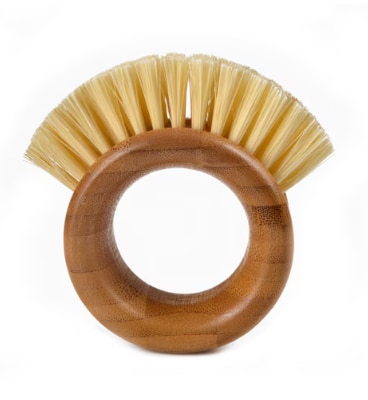
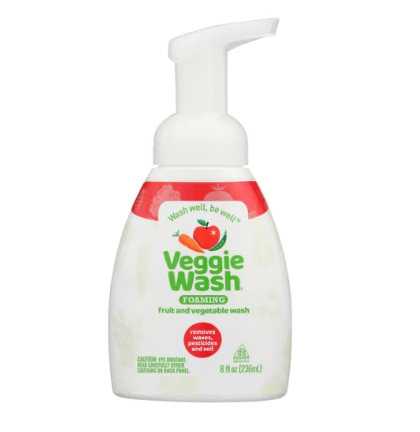
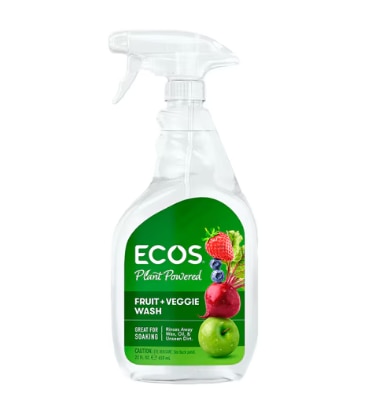
“Washing all foods thoroughly with safe water before eating them can help remove potential soil and dust on surface,” Palmer says. Lead often lurks in such soil and dust.
Also, avoid consuming foods or beverages stored in lead-crystal pottery or cookware. The lead in such containers can find its way into such food products.
If you have young children, use safe water supplies for making baby formula. To learn more about the level of lead in your drinking water, contact your local community water system and ask for a copy of its annual water quality report. The Environmental Protection Agency requires such reports to be issued annually by July 1.
You can also have your water tested for lead and use filters to reduce the levels of lead in the water.
Palmer urges you to learn more about the sources of herbs and spices you purchase.
“Look for trusted manufacturers who test for quality and contamination and have third-party validation certifications,” she says.
Featured Products