

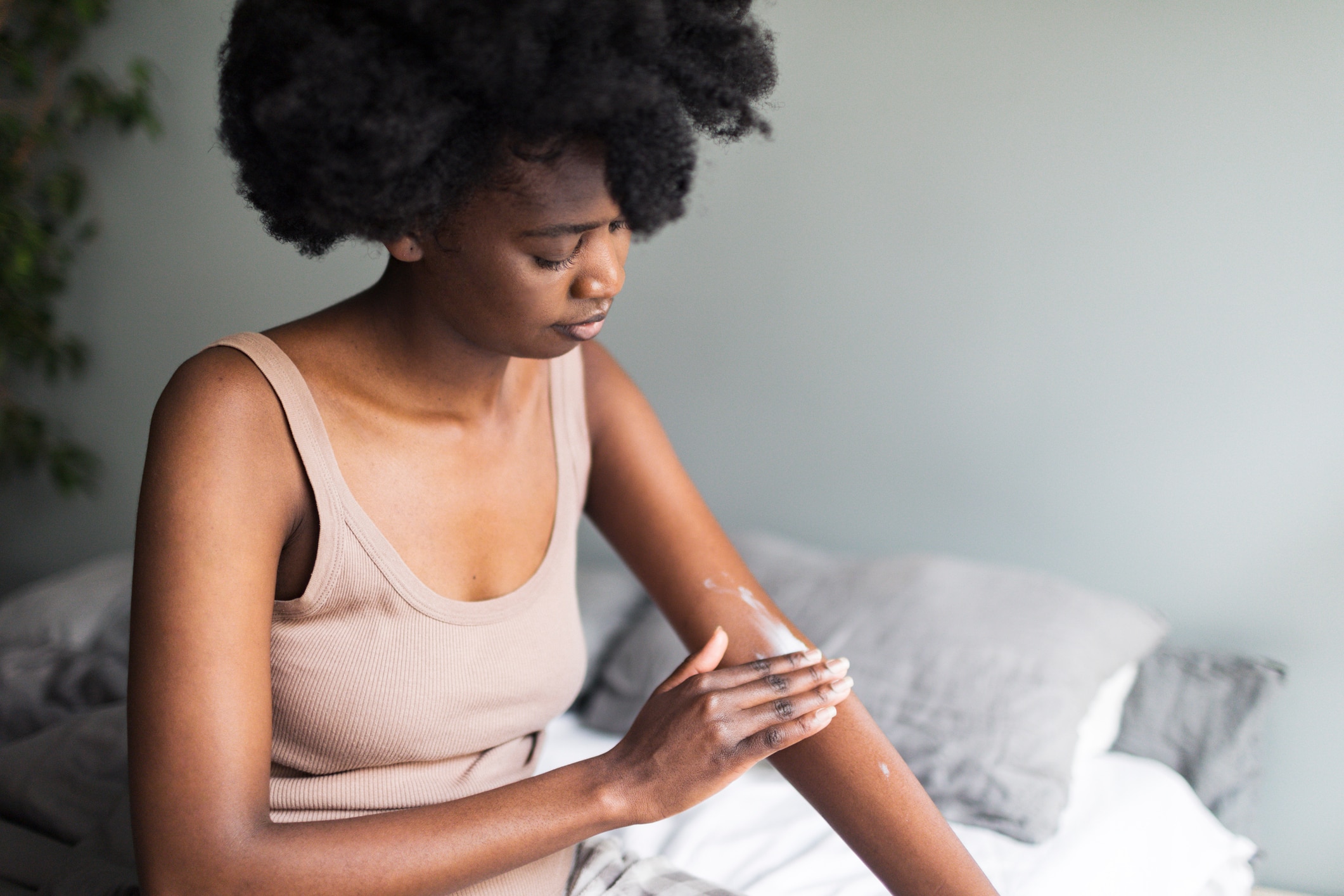
Rosemary is having a moment right now, and for good reason. This fragrant herb quickly gained popularity when beauty influencers began showcasing their rosemary skincare products to help fade scars. Now, the hype is actually backed by science. Research from the Perelman School of Medicine at the University of Pennsylvania suggests that it may aid in skin healing and reduce scarring.
What the research really tells us
If you’re on the skincare side of social media, you’ve probably seen videos of people swearing by rosemary extracts for speeding up skin healing. The trend eventually caught the attention of Jiayi Pang, a Penn undergraduate, and Emmanuel Rapp Reyes, a PhD candidate at Penn. They teamed up with Thomas Leung, Associate Professor of Dermatology, to seek the truth.
The team used a cream formulated with carnosic acid, a naturally occurring antioxidant in rosemary, on mice. They found that wounds healed faster and the skin rebuilt hair follicles, oil glands and cartilage. The effect only worked when the cream was applied directly to the skin, though, not on any other part of the body.
They also discovered that TRPA1, a nerve receptor that facilitates skin healing with reduced scarring, plays an important role in the healing process. Without it, the cream had little to no effect.
How rosemary supports skin repair
The findings track with what many others also claim about rosemary’s capabilities. According to Shamsa Kanwal, MD, a board-certified dermatologist with over a decade of experience and a consultant dermatologist at myHSteam, the herb has properties that make it beneficial for wound healing.
“Rosemary contains antioxidant and anti-inflammatory compounds, such as rosmarinic acid and carnosic acid that can help neutralize free radicals and calm low-grade inflammation,” Kanwal says. “It also has a mild antimicrobial activity, which can support a healthier skin environment as a wound closes.”
Other researchers published in the International Journal of Herbal Medicine showed that the anti-inflammatory, antioxidant and antimicrobial compounds in rosemary can calm skin inflammation and that it could even be a promising option for treating acne scars.
Considerations before using rosemary
Before using rosemary, remember to use it with caution, especially if you’re using rosemary essential oil.
“Rosemary essential oil is a fragrance ingredient and can trigger irritation or allergic contact dermatitis, especially in people with sensitive, eczema-prone, or already inflamed skin,” Kanwal says. “I advise avoiding rosemary oil on open wounds and fresh surgical sites and to stop immediately if you notice itching, burning, or a rash.”
Moreover, it’s a good idea to avoid mixing rosemary with active ingredients. If you want to use it alongside retinol, for example, you can apply the two products on different nights instead of layering them together. This approach can reduce the chance of irritation.
How to add rosemary to your skincare routine
To incorporate rosemary into your skincare routine, Kanwal recommends starting slowly and conducting a 48-hour patch test on a small area, other than your face, before using it on scars.
“Choose fragrance-free or low-fragrance, non-comedogenic bases and avoid DIY undiluted essential oils,” she advises.
If you want to use rosemary or rosemary extracts to help fade acne scars or other wounds on your body, consider pairing them with other skincare products and procedures.
“Rosemary or rosemary extract is not a stand-alone scar treatment,” Kanwal says. “The evidence of the effectiveness of rosemary in humans is also limited. It may gently support healing in early, superficial marks by calming redness and oxidative stress, but it will not replace proven options like silicone gel, prescription creams or in-clinic procedures.”
Additional solutions to add to your routine
Pair rosemary with other science-backed options for better results. Depending on your skin goals, you can look for:
- Silicone sheets: Place silicone sheets directly over raised scars to help soften and flatten the tissue. They keep the area hydrated and support the skin as it heals.
- Retinol or retinoids: This form of vitamin A evens out your skin tone and calms the inflammation that accompanies a breakout by boosting collagen production and accelerating cell turnover. You can buy retinol products over-the-counter, but your dermatologist can also prescribe retinoids, which work faster and go deeper.
- Vitamin C: This antioxidant improves the skin’s surface and reduces redness and mild discoloration around healing scars. While it doesn’t change the thickness or shape of a scar, it can make the surrounding skin look clearer and more even.
- Azelaic acid: Similar to retinol, azelaic acid encourages cell turnover, so skin heals quickly with minimal scarring. Additionally, it lightens dark spots and post-inflammatory hyperpigmentation, prevents new breakouts, and smooths uneven texture.
In addition to using skincare products, you can consider in-clinic procedures like chemical peels, dermabrasion, laser therapy and microneedling for your scars. These procedures are highly effective and may help heal your scars more quickly.
Top product recommendations to heal scars
Below are some product recommendations that can be used alongside rosemary.
1. Derma E Scar Gel
 Derma E Scar Gel is a lightweight botanical gel with panthenol, onion bulb extract and allantoin. It hydrates, calms and softens scar tissue, which helps smooth out bumpiness and fosters healthier-looking skin, whether you are targeting new or old scars.
2. Acure Scar Treatment Balm
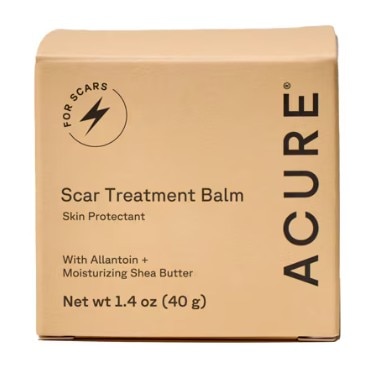 Acure Scar Treatment Balm is plant-based and features allantoin, as well as moisturizing shea and cocoa butters, which help soften and condition scar tissue. Its calming oils support the skin barrier and benefit texture and flexibility over time, which can help scars appear smoother and less tight.
3. Marie Originals Scar Treatment Cream
 Formulated with jojoba oil, calendula and evening primrose, Marie Original Scar Treatment Cream helps heal your skin from wounds, burns and stitches. Use it consistently after your wound has fully closed to reduce and help prevent the appearance of scars.
4. Quantum Health Scar Reducer Herbal Cream
 Quantum Health Scar Reducer Herbal Cream is a fragrance-free cream that uses allantoin, vitamin E, aloe and other botanicals to support smooth-looking skin. Use it on new or old scars, stretch marks, and thickened areas to improve texture and reduce the appearance of scars over time.
A scientific perspective on rosemary for scar-healing
Rosemary can be a lovely addition to your skincare routine when used carefully and realistically. It’s not a replacement for other scar treatments, but it can be a helpful friend to them. Use it consistently, be patient and keep at it if your scar takes a while to heal.