
Are you in your late forties or early fifties and noticing that your skin suddenly feels drier, more reactive or simply unfamiliar compared to a few years ago? If so, you are not imagining it. As a dermatologist, I see many women in this stage who feel that their skin has changed faster than the rest of their bodies and they are not sure which product to adjust first.
These shifts are not random. They trace back to fluctuating estrogen and other hormones that quietly reshape how your skin holds moisture, makes oil, repairs damage and responds to irritation. In this article, I will walk you through what happens to your skin during perimenopause, the early signs to watch for and the practical steps that help you restore hydration, strengthen the barrier and support collagen through this natural stage of life.
Perimenopause Skin Changes: What to Expect
Perimenopause is the phase when a woman’s body begins its transition into menopause. It usually starts in the mid to late forties, although some women notice changes a little earlier, and it can last several years. During this period, the ovaries are still active and you may still be having periods, but cycles often become shorter, longer or more irregular.
Hormone levels do not fall in a straight line. Estrogen and progesterone rise and fall unevenly, which explains why symptoms can feel unpredictable from month to month. These hormonal swings affect many systems, including your skin. As estrogen fluctuates, it influences how hydrated and firm your skin feels, how much collagen it produces and how efficiently it repairs everyday damage.
What happens to your skin during perimenopause?
Perimenopause is the transition before menopause when ovarian function becomes less predictable and estrogen levels start to shift. Estrogen plays a key role in keeping your skin hydrated, plump and elastic. Studies show it supports collagen production, hyaluronic acid content and the lipids that make up your barrier. When estrogen levels decline or swing up and down, your skin can respond with the following noticeable changes:
Reduced hydration. During perimenopause, your skin tends to produce less hyaluronic acid and fewer barrier lipids, so more water escapes through the surface. This leads to dryness, a feeling of tightness after cleansing and a gradual increase in fine lines.
Thinner skin and reduced elasticity. As collagen production slows, fine lines and wrinkles become more visible and early sagging in areas like the jawline may appear sooner than you expected.
Return of acne. Fluctuating hormones can stimulate the oil glands again, which leads to clogged pores and breakouts, especially around the lower face and jawline.
Increased sensitivity. As the skin barrier weakens, it becomes easier for irritants to get in and moisture to escape. Products that used to feel comfortable may now trigger stinging, burning or redness.
Pigmentation changes. Hormonal changes during perimenopause can darken existing spots, make melasma more noticeable and cause post acne marks to linger longer, so the overall tone of the skin can look more uneven.
Early Warning Signs
Perimenopausal skin rarely changes overnight. In most cases, women notice small, gradual shifts long before anything feels dramatically different. Paying attention to these early signs can help you adjust your routine sooner and prevent dryness, irritation or breakouts from building up over time.
Changes in how skin feels
If your skin suddenly feels tighter after cleansing, or if products that once felt soothing now cause stinging or tingling, this can be an early sign that your barrier is under strain. New sensitivity when you apply serums, exfoliants or moisturizers is one of the most common first indicators that your skin is responding to hormonal changes. You might find that textures you used to enjoy now feel harsh, or that your skin takes longer to settle after simple steps like washing your face.
Changes in how skin looks
Dry patches, flakiness, a duller overall tone or fine lines that seem more noticeable in certain light often appear during perimenopause. Pigmentation may deepen or look more uneven, and areas of melasma or old sunspots can become more visible than before. Many women also notice that makeup starts to cling to rougher areas, sits in lines or does not blend as smoothly, even though they are using the same products and techniques.
Changes in how skin behaves
You may also see a shift in how your skin responds to products that used to work well. Formulas that previously absorbed easily can begin to sit on the surface, and routines that once kept you balanced may now leave your cheeks dry while the T zone feels oily. Some women experience the return of breakouts, especially along the jawline and lower face, or find that their skin takes longer to calm down after a reaction. All of these changes are gentle signals that it is time to reassess and support your skin in a new way.
Core Skin Needs During Perimenopause
During perimenopause, your skin’s priorities begin to change. To stay balanced, comfortable and resilient, it needs steady support in a few core areas rather than constant product switching. When you focus on these needs, your routine becomes simpler and your skin is better able to cope with ongoing hormonal shifts.
Restorative hydration
Your skin loses moisture more easily at this stage, so it needs help both replacing that water and holding it in. Hydrating ingredients such as glycerin and hyaluronic acid draw water into the outer layers, while a good moisturizer, like Hempz Age Defying Body Moisturizer, locks it in so your skin feels comfortably plump throughout the day.
Barrier repair
During perimenopause, the skin barrier becomes more fragile, so it needs ingredients that rebuild its lipid layer and help calm low grade inflammation. Ceramides, cholesterol and fatty acids help strengthen this outer shield so irritants stay out and moisture stays in.
Gentle exfoliation
Your skin can still benefit from exfoliation, but it now prefers a lighter, more controlled approach. Mild chemical exfoliants used sparingly can smooth rough texture, improve radiance and keep pores clear without stripping away protective oils.
Collagen support
As collagen production naturally slows, your skin needs support to maintain firmness, elasticity and a smoother texture. Retinoids, peptides and antioxidants can all play a role, as long as they are introduced slowly and balanced with plenty of moisture.
Sun protection
Daily sun protection becomes even more important during perimenopause. According to a study, regular use of a broad spectrum SPF helps prevent further collagen breakdown, keeps pigmentation changes from worsening and protects the progress you make with the rest of your routine. Making sunscreen the final step of your morning skincare, every single day, is one of the most powerful ways to support overall skin health in this phase.
How to Rebuild and Protect Perimenopausal Skin
When your skin begins to show signs of perimenopausal stress, the most effective approach is usually a simple, steady routine rather than constant product changes. A sequence like the one below can help your skin regain balance and stay more comfortable over time.
Step 1: Pause potential irritants
Begin by taking a short break from anything that may be overwhelming your skin. This includes strong exfoliating acids, harsh physical scrubs, high strength retinoids and any product that causes stinging or burning as soon as you apply it.
Giving your skin two to three weeks of rest allows the barrier to recover before you reintroduce active ingredients. When you do start to add them back, bring in one new active at a time and wait several days between changes so you can clearly see what your skin tolerates.
Step 2: Cleanse gently
Limit cleansing to twice a day and choose a mild, pH balanced formula that removes sweat, oil and sunscreen without stripping away essential lipids. High foaming or strongly alkaline cleansers can worsen dryness and tightness in perimenopausal skin.
Gentle options such as Honest Gentle Gel Cleanser, which contains Chamomile and Calendula extracts, clean effectively while feeling soothing rather than squeaky. If you prefer a creamier texture with no foam, NOW Gentle Balance Cream Cleanser offers a soft, non-foaming option that does not disrupt the skin’s natural moisture barrier. After rinsing, pat your face dry with a soft towel instead of rubbing so you avoid unnecessary friction.
If your skin feels dry, itchy or tight within a few minutes of cleansing, that is a sign the cleanser is too strong for your current barrier and it is time to switch to something gentler.
Step 3: Rebuild hydration and lipids
Restoring moisture and lipids is the most important part of perimenopausal skin recovery. Choose a moisturizer that feels genuinely soothing and that you can commit to using morning and night. Look for ceramides, cholesterol and fatty acids to replenish the barrier, along with glycerin and hyaluronic acid to pull water into the outer layers. Ingredients such as squalane and gentle plant oils can soften the skin surface without clogging pores.
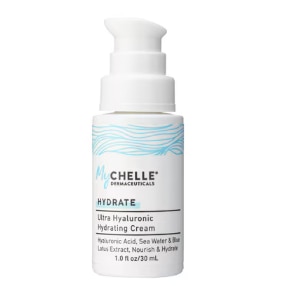
MyChelle Dermaceuticals Hydrate Ultra Hyaluronic Hydration Cream absorbs well and contains barrier supportive ingredients like squalane and hyaluronic acid, so it both softens and hydrates. In the evening, you may use a richer texture such as Honest Hydrogel Cream to cushion the skin overnight. The key is to use it consistently, twice a day.
Step 4: Collagen support
Collagen supporting ingredients become especially useful in perimenopause, but they work best when introduced slowly.
Start with a low strength retinol or retinaldehyde two to three nights per week and always pair it with a nourishing moisturizer. If your skin is on the sensitive side, apply a thin layer of moisturizer first, then a small amount of retinoid, followed by another light layer of moisturizer to buffer potential irritation.
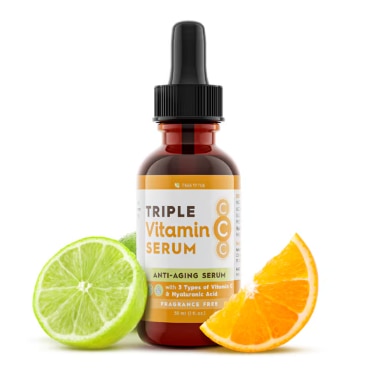
On nights when you are not using a retinoid, you can focus on peptides and gentle antioxidants. Peptide serums like Attitude Oceanly Phyto-Age Anti-Aging Solid Face Serum with Peptides and Vitamin C serums such as Tree to Tub Skin Brightening Triple Action Vitamin C Serum offer additional support for firmness and brightness with a lower risk of stinging when used correctly.
Give your skin at least a couple of weeks at each frequency before you consider increasing use, and only do so if your skin feels calm and well hydrated.
Step 5: Pigmentation treatment
If you are noticing uneven tone, stubborn dark marks or melasma, it is important to choose brightening ingredients that respect the barrier.
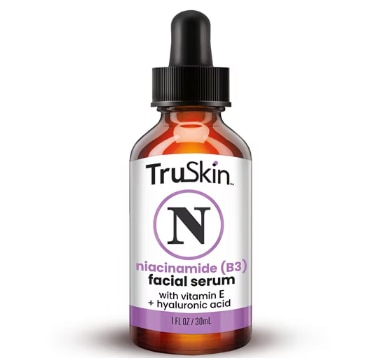
Start with Niacinamide, which helps reduce blotchiness, smooth texture and support barrier function at the same time. TruSkin Niacinamide Facial Serum combines Vitamin B3 with Vitamin E and Hyaluronic Acid to promote a smoother, more even look without feeling harsh.
Azelaic acid is another helpful ingredient for redness, post acne marks and pigment prone areas, particularly when sensitivity is also an issue. If your skin tolerates it, you can add a low to medium strength Vitamin C, such as Sky Organics Vitamin C Bright Glow Oil Serum, to support radiance and provide antioxidant protection.
Apply brightening products gradually and resist the urge to layer many strong agents at once, since this often leads to irritation, peeling and setbacks rather than faster improvement.
Step 6: Daily sun protection
Daily sunscreen is essential during perimenopause to preserve collagen, limit pigmentation changes and support barrier repair. Ultraviolet exposure speeds up the very processes you are trying to slow, so consistent protection makes a visible difference over time.
Choose a broad spectrum product with at least SPF 30+, such as TruSkin Mineral Sunscreen with Vitamin C, and apply it every morning as the final step in your skincare routine, even on cloudy days or when you will be indoors near windows.
Lifestyle Habits That Support Skin Health
Skincare products are important, but your daily habits also have a strong influence on how your skin behaves during perimenopause. Try to keep showers short and lukewarm, rather than hot, so you do not strip away essential oils. Using a humidifier during dry seasons can help maintain moisture in the air and make it easier for your skin to stay hydrated.
Aim for a pattern of eating that includes omega-3 fats, colorful fruits and vegetables and adequate protein to support skin structure and repair. Prioritize good quality sleep, because your skin’s natural regeneration is most active at night. Managing stress is just as important, since elevated cortisol can increase inflammation, oiliness and sensitivity, and may worsen acne or redness.
When to See a Dermatologist
If your skin does not begin to feel more comfortable within two to three weeks of simplifying and supporting your routine, it is a good time to seek expert help. Persistent painful dryness, intense redness, rapidly worsening pigmentation or acne that does not respond to over the counter care can all suggest conditions that need prescription strength or in clinic treatment. A dermatologist can help you sort out what is normal for perimenopause, what needs investigation and how to build a plan that keeps your skin as calm and resilient as possible through this transition.
Final Thoughts
Perimenopause is a natural stage, and the shifts you see in your skin are normal responses to changing hormones, not failure on your part. Once you understand how fluctuating estrogen affects hydration, collagen, sensitivity and pigmentation, you can focus on what truly helps: a simple routine built around gentle cleansing, deep hydration, barrier repair, gradual collagen support and daily broad spectrum SPF 30 or higher, supported by healthy habits like good sleep, a nutrient rich diet and stress management.
With consistency and realistic expectations, most women find their skin can stay comfortable and resilient through this transition, and if symptoms remain persistent or very uncomfortable, a dermatologist can help you fine tune a plan that fits your skin and your life.
Disclaimer
This article is for general information only. It does not diagnose, treat, cure or prevent any disease and it is not a substitute for personal medical advice.
Featured Products