
People with periods know how tough that time of the month can be. Mood swings, exhaustion and cramps alone can wipe anybody out.
As if that wasn’t enough, flu-like symptoms can also be linked to your cycle. Experiencing these uncomfortable feelings around your period is often referred to as “period flu.”

Although it doesn’t involve an actual virus, period flu symptoms can feel surprisingly similar to the early stages of the flu. For those who live with it, it can be disruptive, uncomfortable and confusing.
So what’s actually going on? And why do some deal with period flu every month while others never notice it at all? Let’s take a closer look at what’s happening in the body and why these symptoms show up for some but not others.
Period flu vs. PMS
Many people are familiar with premenstrual syndrome, more commonly referred to as PMS. PMS includes a range of physical and emotional symptoms that occur in the days before a period, including tension or anxiety, feeling blue, fluid retention and acne flare-ups.
The term “period flu,” sometimes known as “menstrual flu,” however, is a non-medical term used to describe a cluster of symptoms that feel flu-like in nature. These may include body aches, fatigue, headaches and that overall feeling of being run-down. Unlike the flu, period flu isn’t caused by a virus or infection. Instead, it’s thought to be linked to hormonal shifts and the body’s inflammatory response during the menstrual cycle.
Common PMS and period flu symptoms
Because period flu isn’t an official diagnosis, and every body responds differently to hormonal changes, symptoms can vary widely from person to person. Some experience mild discomfort, while others may feel genuinely unwell for a few days. Commonly reported symptoms include:
- Fatigue or low energy
- Body aches or muscle soreness
- Headaches or migraines
- Nausea, diarrhea or digestive upset
- Brain fog or trouble concentrating
- Mood changes, including irritability or melancholy
Although fever-like sensations such as chills can occur, true fevers are not commonly part of period flu, says Dr. Meghan McGrattan, OB-GYN.
Not everyone experiences all of these symptoms, and their intensity can change from cycle to cycle. One month may feel manageable, while another is much harder.
How long does period flu last?
The timing and duration of period-related symptoms can vary widely from person to person. For many, period flu symptoms begin after ovulation, which typically occurs about two weeks before a period starts. Symptoms often peak in the days leading up to menstruation, then improve once a period begins and disappear by the time it ends.
“The timing is pretty remarkable,” says Dr. Breton Barrier, OB-GYN at University of Missouri. “Everything can be going well for three weeks, but as a period approaches, symptoms appear like clockwork. Once a period is over, things return to normal until it happens again next cycle.”
This predictable pattern is one reason tracking symptoms over several cycles can be so helpful. Noticing when symptoms start, how long they last and what they feel like can offer valuable insight into what’s typical for your body.
What causes period flu?
“The symptoms experienced by period flu sufferers are most likely due to the hormonal fluctuations of the menstrual cycle,” says McGrattan. There are several ways these hormonal changes can affect how you feel, and it’s often a combination of factors happening at the same time.
- Hormonal shifts: In the days leading up to your period, estrogen and progesterone levels drop. These changes affect more than just your uterus. Hormonal changes can influence energy levels, mood, temperature regulation and pain sensitivity.
- Prostaglandins and inflammation: Prostaglandins are hormone-like compounds involved in triggering uterine contractions during menstruation. Higher levels of prostaglandins are associated with cramps, but they can also contribute to inflammation throughout the body. This inflammatory response may help explain symptoms like body aches, headaches and nausea.
- Immune system response: Hormones and the immune system are closely connected. During certain phases of the menstrual cycle, immune activity can fluctuate, which may leave some women feeling run-down or more vulnerable to flu-like sensations.
- Stress and lifestyle factors: Studies show that chronic stress, poor sleep and nutrient imbalances can all make period-related symptoms feel worse. When the body is already under strain, hormonal changes may hit harder.
It’s also worth noting that symptoms can change over time. Someone who never experienced period flu in their twenties may notice it later due to stress, hormonal changes or life transitions.
How to relieve period flu symptoms naturally
There is no one-size-fits-all solution, but many women find relief by focusing on gentle, supportive wellness habits. Offering your body extra care during this phase of the cycle can make a meaningful difference.
- Nourishing meals: Eating warm, balanced meals can be especially comforting during this time. Focus on foods that feel nourishing and easy to digest, such as soups and stews with vegetables and protein, whole grains like oatmeal or brown rice, healthy fats or iron-rich foods.
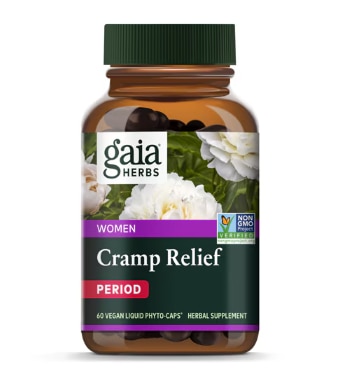
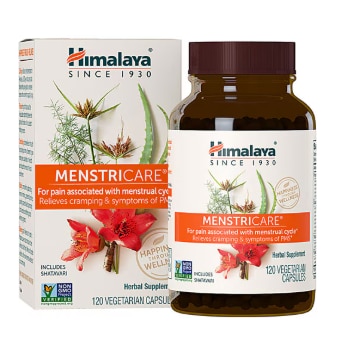
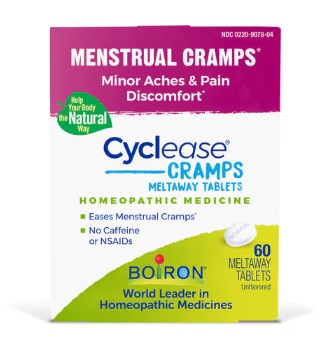
- Supplements: Some individuals choose to take supplements designed to support women’s health during their cycle. According to Petra Casey, MD, an associate professor of obstetrics and gynecology at the Mayo Clinic, “Vitamins may be beneficial for PMS, particularly B6 and E.” Some studies also suggest that calcium can help support a healthy mood.
- Hydration and warm beverages: Staying hydrated supports circulation and digestion. Warm drinks like herbal teas or warm lemon water may feel especially soothing.
- Gentle movement: While intense workouts may feel like too much, gentle movement can help reduce stiffness, boost circulation and ease cramps. Low impact workouts, light stretching, slow walks or gentle yoga are all good options.
- Heat therapy: Warm compresses or heating pads can ease cramps and body aches. Many people find that heat helps them relax and sleep better during times of discomfort.
- Prioritizing rest: Fatigue is one of the most common period flu symptoms. Giving yourself permission to slow down can make a big difference, whether that means going to bed earlier, taking short naps or reducing nonessential commitments.
- Stress support: Since stress can worsen symptoms, small calming rituals that help you manage your stress levels can be helpful. Breathing exercises, journaling or meditating before laying down for the evening may support relaxation.
When to pay closer attention
If symptoms are severe, worsening or affecting your ability to function, that’s a sign to seek professional guidance. Paying attention to patterns over time can also help you understand what’s typical for your body and when something feels off.
While “period flu” may not appear in medical textbooks just yet, the experience behind it is very real. Learning how your body responds throughout your cycle can help these symptoms feel less confusing and more manageable, and can support you in taking care of yourself with confidence.
Featured Products