
Have you ever tried a new skincare product, only to end up with redness, burning or breakouts and wonder if your skin cannot handle actives? This is one of the most common frustrations I hear, especially from people who are doing everything right and still getting setbacks. Over time, that pattern can lead to giving up completely or switching between products without giving any routine a fair chance.
Retinoids, exfoliating acids and vitamin C can make a real difference in how smooth, clear and even your skin looks, but only when they are introduced at the right time. When you start too fast or layer too much, the skin barrier gets stressed and you see irritation instead of results. That does not mean these ingredients are not for you; it usually just means your skin needs a slower, more supportive approach.
This guide explains skin training, why irritation happens and how to gradually build tolerance to retinoids, acids and vitamin C.

What is Skin Training?
Skin training is a slow, structured way to introduce active skincare ingredients so your skin can adjust without tipping into irritation. Instead of starting strong and hoping your skin pushes through, you build tolerance step by step. This gives your skin barrier time to stay hydrated, stable and comfortable as you slowly increase frequency or strength.
When you introduce actives at a pace your skin can handle, you are far more likely to stay consistent and consistency is what delivers long-term results.
Why Active Ingredients Can Irritate Your Skin
Active ingredients work by changing how your skin functions, and that shift can feel abrupt if your barrier is not ready.
Retinoids increase cell turnover, which can lead to dryness or peeling early on. Exfoliating acids loosen and lift dead surface cells, which can sting and make skin feel tight if used too often. Many vitamin C formulas are acidic, and that lower pH can cause tingling or burning, especially if the barrier is already stressed.
These effects are not automatically “bad”. They are simply signs that an active is having an effect. The issue arises when the change happens faster than your skin can adapt. In that case, your skin may react with redness, burning, tightness or visible peeling. This usually means you need to adjust the strength, frequency or layering. Skin training makes that process predictable and safe.
Skin Training With Retinoids
Retinoids are among the most effective ingredients for smoother-looking texture, fewer clogged pores and a more even-looking tone. They are typically used at night because sunlight can break some formulas down and retinoids can make skin more sun sensitive. Since results depend on consistency, the best plan is one you can maintain comfortably, without triggering irritation. Here is how to use skin training to help your skin adapt to retinoids:
How to start retinoids without irritation
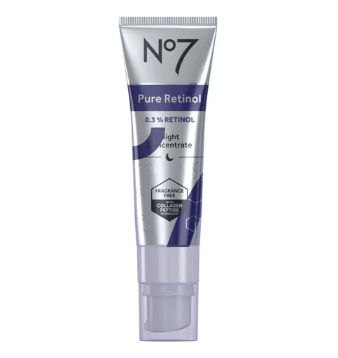
Start with a low strength retinoid and a slow schedule to build tolerance without irritation. Start with an over the counter retinol in the 0.1% to 0.3% range once a week. Use a pea-sized amount for the entire face, not per area. After 2 weeks, if your skin feels comfortable, increase to 2 nights per week, then every third night, and only then consider 3 to 4 nights per week. No7 Pure Retinol 0.3% Night Concentrate is a good beginner friendly option.
Apply retinoids to completely dry skin. Damp skin can increase absorption and cause irritation. A simple rule is to cleanse, pat dry, then wait 10 to 15 minutes before applying retinoid.
Finish with a gentle, fragrance-free moisturizer like Honest Face and Body Lotion to support the barrier during the adjustment phase. Also, use broad-spectrum SPF 30+ daily in the morning, since retinoids can increase photosensitivity.
The Sandwich Method for sensitive, irritation‑prone skin
The sandwich method is a helpful approach for easing into retinoids, especially if you notice dryness or irritation at the start. It’s called the sandwich method because you “sandwich” your retinoid between two light layers of moisturizer.
Apply a thin layer of moisturizer, then apply your retinoid, then apply another thin layer of moisturizer. This does not cancel the retinoid. It simply slows delivery, which often reduces flaking, redness and tightness.
What’s normal and what’s not
When you start retinoids, mild dryness, slight tightness or light flaking can be part of the normal adjustment period. These effects ease as the skin builds tolerance over the next few weeks.
Burning, persistent stinging, intense redness or cracking are not normal. These are signs your skin barrier is getting overwhelmed and needs a pause. Stop the retinoid for a few days, focus on gentle cleansing and moisturizing, then restart more slowly once your skin feels calm again.
Skin Training With Acids (AHAs, BHAs, PHAs)
Exfoliating acids can help smooth rough texture, improve clogged pores and brighten dull-looking skin by lifting away built-up dead surface cells. They are most effective when introduced gradually, because overuse or layering them with other strong actives too soon can quickly lead to irritation.
Here’s the safest way to add exfoliating acids to your routine:
Choosing the right acid for your skin
Different acids suit different needs, so matching the acid to your skin type is the first step to avoiding irritation.
AHAs, like glycolic and lactic acid, are typically better for dry, dull or rough-feeling skin because they work mainly on the surface. BHAs, like salicylic acid, are often better for oily or acne-prone skin because they can move into pores. PHAs, like gluconolactone or lactobionic acid, are usually the gentlest option and can be a good starting point for sensitive or reactive skin.
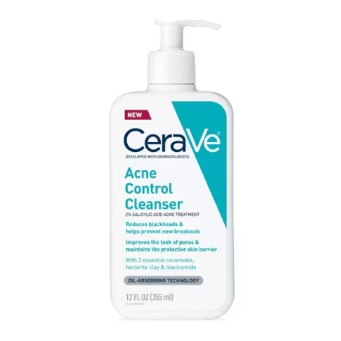
If you are new to acids and your skin runs dry or is easily irritated, starting with a PHA or a lower strength lactic acid, like the Hyalogic Lactic Acid Exfoliating Serum, can feel more comfortable. If your skin is more oily and prone to clogged pores, a BHA based product, like CeraVe Acne Control Cleanser, may suit you better. The key is starting low, then building frequency, rather than jumping to frequent use.
How to start acids without irritation
Start with once a week at night. Apply to clean, completely dry skin, then follow with a gentle, fragrance-free moisturizer to support the barrier. Alba Botanica Daily Moisturizing Lotion for Sensitive Skin is a good example of a barrier-friendly moisturizer to use after acids.
Hold that once weekly schedule for about 2 to 3 weeks. If your skin stays calm, move to once every 5 to 7 days, then consider twice weekly only if you still feel comfortable. Many people do best long term with 1 to 2 nights per week, not daily use.
Avoid layering acids with retinoids in the beginning. Keep them on separate nights until your skin has clearly built tolerance. Also, avoid using acids on already irritated skin, right after shaving or on areas that commonly sting, such as the corners of the nose and mouth.
Use broad-spectrum SPF 30+ daily, since exfoliation can make skin more sun sensitive and more prone to uneven-looking tone if you skip protection.
What’s normal and what’s not
When you start acids, mild tingling for a short time, slight dryness or very light flaking can happen as your skin adjusts. A small amount of temporary redness can occur in some skin types, especially early on, and it should settle quickly.
Intense burning, persistent stinging, redness that lasts into the next day, swelling, cracking or painful peeling is not normal. These are signs your barrier is getting overwhelmed. Pause acids for several days, focus on gentle cleansing and moisturizing, then restart at a lower frequency once your skin feels calm again.
Skin Training With Vitamin C
Vitamin C is a helpful morning active for brighter-looking skin. It helps fade the look of dark spots, supports a more even tone and boosts antioxidant protection against everyday environmental stress.
The issue is that many people jump straight into a high-strength formula, then assume the tingling or irritation means vitamin C does not work for them. Skin training helps you pick a more tolerable form, start at the right strength and build up gradually, so you get the benefits without stinging or flare-ups.
Choosing the right form of vitamin C
Vitamin C comes in different forms and they don’t all feel the same on the skin. L-ascorbic acid is pure vitamin C, and it’s one of the most effective options for brightening and improving the look of dark spots. The tradeoff is that it’s more likely to tingle or irritate, especially on sensitive or reactive skin, because it’s usually formulated at a lower pH and often used at higher strengths.
If you sting easily, starting with a gentler vitamin C derivative, like BVOSC, can be a better entry point because it’s less likely to trigger burning, redness or flare-ups. For sensitive skin, start with a vitamin C derivative in the 5% to 10% range, and give your skin a few weeks to adjust before considering a higher strength.
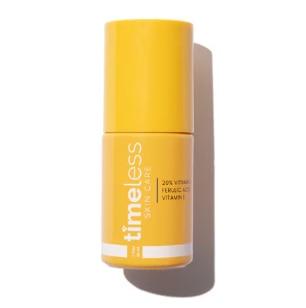
Timeless Skin Care 10% Vitamin C+E Ferulic Acid Serum is a reliable 10% starter option. If you tolerate that well for several weeks and want a stronger step up, a higher-strength option like TruSkin Vitamin C Plus Super Serum can be a good option, but only once your skin feels consistently calm and your barrier is steady.
How to start vitamin C without irritation
Begin with vitamin C every other morning. Apply it to clean, dry skin, then follow with a gentle moisturizer. Finish with broad-spectrum SPF 30+ daily. If you prefer a tinted mineral option, Sun Bum Mineral SPF 30 Tinted Sunscreen is a good option.
Use vitamin C every other morning for about 2 to 3 weeks. If your skin stays calm, increase to most mornings, then daily use if comfortable. If you are also training retinoids or acids, keep Vitamin C mornings simple at first, and avoid piling on multiple strong actives in the same routine until your skin is clearly tolerant.
What’s normal and what’s not
A mild, brief tingle or slight warmth right after application can be normal, especially in the first couple of weeks. A little temporary pinkness can also happen and should settle quickly.
Strong stinging, burning, prolonged redness, swelling or hive-like bumps are not normal. Those are signs your barrier is under stress or you may be reacting to the formula. Pause vitamin C for several days, focus on gentle cleansing, moisturizing and SPF 30+ daily, then restart more slowly with a lower strength or a gentler form once your skin feels calm again.
How Long Does Skin Training Take?
Skin training takes time because your skin is learning to tolerate change, not just “getting used to” a product overnight. For most people, basic tolerance to a new retinoid, acid or vitamin C routine starts to improve within about 4 to 6 weeks. Visible changes, like smoother-looking texture, a brighter-looking tone or fewer breakouts, usually take closer to 8 to 12 weeks because that is when consistent use starts to add up.
The most important thing to remember is that consistency matters more than speed. Slow, steady progress keeps your barrier stable, which makes results more reliable. When you rush, irritation often forces you to stop, and that stop start cycle is what delays improvement the most.
When to Pause and Seek Professional Help
Persistent burning, intense redness, swelling, cracking or raw patches are clear signs to pause. Don’t try to push through these reactions. Stop all strong actives for a few days and return to the basics: gentle cleansing, a barrier-supporting moisturizer and broad-spectrum SPF 30+ daily. When your skin feels calm again, restart more slowly, usually with a lower frequency.
Ongoing reactions, even with a low-and-slow approach, are a good reason to get professional guidance. A dermatologist can help pinpoint whether the problem is the active itself, the strength, the formula or how products are being layered. They can suggest a safer schedule, recommend gentler alternatives and check for underlying conditions such as eczema or rosacea that may need a different plan.
Final Thoughts
Skin training is the simplest way to make strong actives work for you, not against you. Start with one active at a time, begin at a low strength, and build frequency only when your skin stays calm. Keep your routine supportive with a gentle cleanser, a barrier moisturizer and broad-spectrum SPF 30+ daily, because those basics are what make tolerance possible.
If you feel burning, persistent stinging, cracking or raw patches, pause and reset rather than pushing through. With steady pacing and a healthy barrier, retinoids, acids and vitamin C become tools you can use long term for smoother-looking texture, clearer pores and a more even-looking glow.
Disclaimer
This article is for general information only. It does not diagnose, treat, cure or prevent any disease and it is not a substitute for personal medical advice.
Featured Products