
Gut health has been a popular trend for years, and it stayed in the spotlight throughout 2025. People continue to see a healthy gut as the gateway to a healthy body — a position that research appears to support.
I’m a huge nerd for gut health, so I couldn’t resist taking a look back at the top gut health trends for 2025. I was surprised to see how many of them have real benefits rooted in science. Even a big social media fad could turn out to be one of the best things you can do for your gut.

The Top Gut Health Trends of 2025
Before I get into the specific trends, I want to set the stage with a look at the overall landscape. According to McKinsey’s 2025 Future of Wellness trends survey —which included input from over 9,000 global consumers — people want functional benefits from what they eat. They’re starting to pay more attention to what’s in food and make choices that they believe will contribute the most to their health goals.
That includes eating with gut health in mind. The McKinsey report points to an increasing focus on fresh fruits and vegetables, fermented foods and pre-and probiotic beverages. These foods may help support your gut microbiome and potentially reduce your risk of problems like cardiovascular disease, type 2 diabetes and neurodegenerative disorders.
1. Fiber for functional gut benefits
And this is where social media comes in — particularly TikTok. As someone who quit social media in 2023, I was admittedly skeptical that anything good could come from a platform known for dangerous food fads and challenges. But the 2025 health trend known as “fibermaxxing” is different.
Fibermaxxing had its moment over the summer when influencers and users across social media went on quests to increase their fiber intake. Videos with the hashtag #fibermaxxing featured recipes and meals containing high-fiber foods like vegetables, whole grains and beans.
Given that more than 97% of men and 90% of women fall short of eating the recommended 25 to 30 grams of fiber per day, fibermaxxing gets two thumbs up from me. Research shows that eating more fiber may increase populations of gut bacteria that produce compounds called short-chain fatty acids, which are known for their widespread beneficial effects.
To maximize the benefits of fibermaxxing:
- Choose foods high in fermentable fibers that feed beneficial gut microbes. That means embracing a diet rich in beans and whole grains along with vegetables and fruits like onions, bananas, sweet potatoes, Jerusalem artichokes and apples.
- Increase your fiber intake over time, not overnight, especially if you’re used to a standard Western diet. Going too fast is a recipe for serious digestive discomfort.
- Drink more water as you eat more fiber so you don’t get constipated. Fiber absorbs water, so staying hydrated is important to keep stool soft.
Fiber-rich product frenzy
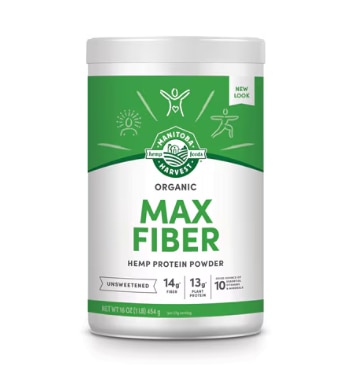
As with any trend, the focus on functional foods and fiber touched off a cascade of product launches. Innova Market Insights pointed to an 8% growth in food and beverage launches sporting digestive health claims this year compared to 2024.
Retail industry publication Progressive Grocer highlighted several high-fiber and fiber-fortified releases in its May, 2025 “Best New Products” roundup, including bars, overnight oats and superfood snacks. High-fiber beverages like prebiotic soda were already popular — so much so that even big brands like Pepsi got in on the action.
According to Innova, consumers believe that functional ingredients like pre- and probiotics are important for physical and mental wellness. And it’s changing their purchasing habits: The 13th Annual What’s Trending in Nutrition survey showed that gut health was among the top reasons why people bought certain foods and beverages in 2025.
2. Whole-food fibers for gut health
Many of people are turning to whole and minimally processed foods rather than packaged products to give their gut health a boost. In looking at the What’s Trending survey, I was happy to find that leafy greens, seeds and beans were considered top superfoods this year. It looks like at least some of us are slowly moving away from the ultra-processed fare that characterizes the Western diet.
I’m 100% behind this trend, too. I’ve long been a proponent of plant-based and plant-strong diets, including for gut health. Research on eating patterns like the Mediterranean and DASH diets shows a correlation between high-fiber foods rich inantioxidant compounds called polyphenols and a healthier gut, which can lead to better health outcomes overall.
Unlike so-called “fad diets,” though, you can’t hop on the “whole-food fiber” train for a week or two and expect lasting results. One animal study noted that it can take around 31 days for the gut microbiome to adjust to higher fiber intake and establish a healthier baseline.
Maintaining this new normal is an ongoing process. That means no going back to ultra-processed junk after a month of bean burritos and big salads. To benefit from this trend, you have to be all-in on for the long haul.
3. Natural probiotics remained popular
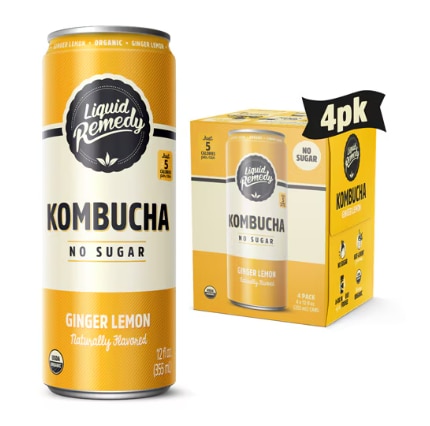
Speaking of staying power, some old-school gut health booster never fall out of favor. Fermented foods like kimchi, sauerkraut and kombucha remain top superfoods in the public mind, and for good reason: They naturally contain probiotics as a byproduct of fermentation.
Garnishing salad with kraut or stirring kimchi into fried rice introduces probiotics that may help maintain a healthy gut barrier, modulate immune function and control the growth of pathogenic gut bacteria. Even though probiotics from food don’t appear to stick around for longer than two or three weeks, they can still benefit your gut as they pass through.
I love pretty much anything fermented — from traditional kraut to ultra-spicy Indian mango pickles — so of course I’m going to give the green light on this one. Just go easy; some fermented foods can be high in salt, so use them more like condiments than ingredients.
Where is gut health going in 2026?
We haven’t seen the end of the gut health trend. In fact, Innova cited “gut health hub” as the number two food and beverage trend for 2026. Apparently, 59% of consumers around the world believe that “gut health is very important for the entire body.”
It will be interesting to see what new research comes to light to support or contradict this belief. So far, existing evidence points to gut health as an essential part of bodily health, with the microbiome appearing to influence organs as diverse as the brain, heart and lungs.
But whether trends like fibermaxxing or whole food fibers lead to benefits may vary. Factors like the types of microbes in your gut and the amount of fiber you already eat can impact your personal outcomes.
That’s why I recommend following a wellness plan that takes a broad view and incorporates a variety of diet and lifestyle changes, not just a focus on gut health. Work with a team of qualified professionals to tailor your approach to your personal needs and goals. Any changes you make for overall health will be good for your gut, too!
†These statements have not been approved by the Food and Drug Administration. These products are not intended to diagnose, treat, cure or prevent disease.
Featured Products