
The original roots of Dry January may not be immediately clear—some argue that marathon runner Emily Robinson launched the cause after abstaining for a month to train, while others insist the practice dates back to Finland’s “Sober January” in the 1940s—but if you’re one of the millions of adults who have sworn off alcohol at the start of the year, you may be experiencing several of the effects of sobriety. Clearer, more radiant skin, an uptick in energy, more restful sleep, sharper mental clarity: All are just a few of the boons of giving booze the boot.

And yet, as January inches towards its end and images of sipping a spicy marg seaside come Spring sparkle in your mind, you may be asking, what’s next?
Or perhaps you’re 21 days through the dry challenge and are thinking of throwing in the towel: What changes you’ve experienced have been subtle at best, there’s a birthday bash brewing, or life’s common and uncommon stressors have urged you to take needless walks down the liquor aisle.
On the other end of the spectrum, may you feel fabulous—and have decided to take your crusade through February. Or maybe it’s the middle of the month and you’ve decided to join your spouse, “work wife,” or clique on their alcohol-free endeavor.
Wherever you may be on your journey, this post was designed to bolster your motivation—and lead you to the magic that can be found in sobriety.
First, what is Dry January, anyway?
Whether this is your tenth attempt at ditching intoxicants for 31 days or you’re merely intrigued by the concept—what some have dubbed “sober curious”—you might be asking, what is Dry January, really?
Dry January is exactly as it sounds.
Formalized in 2013 by the UK-based charity Alcohol Change, it’s become a global movement to completely abstain from alcohol for the month of January. (Not quite there yet? “Damp January,” as it’s been called, is a matter of curbing consumption rather than out-and-out stopping cold turkey.) It’s become increasingly popular amongst Boomers and Gen Z alike, with celebrities ranging from Bella Hadid to Tom Holland touting its benefits. For a good cause, too—a topic we’ll delve into in a minute.
What is the point of Dry January?
Motivations shift for “getting on the wagon” from person to person.
For some, cutting out beer, wine and cocktails is a welcome break after the revelry of the holidays. Others may choose to eschew alcohol to align with their New Year’s resolutions—whether that’s to reach their ideal weight, ramp up their workout routine, or complete an online course. And for others still, taking a pause on partying (or simply imbibing) allows them the distance they need to reassess their health, goals, and potential reliance on alcohol.
What are the benefits of Dry January?
A large part of Dry January’s massive popularity—an estimated 15 percent of American adults partook in the enterprise two years after it rolled out across the pond—is the positive impact it can have on one’s wellness.
This was underscored in a recent study that shone a spotlight specifically on Dry January. Published in the September 2025 issue of Alcohol and Alcoholism, and drawing on previous data on Dry January, it found that kicking booze to the curb for as little as one month led to:
- Enhanced liver function
- Healthier blood pressure
- Increased capacity to lose weight
- Improved energy
What’s more, participants in Dry January experienced sounder sleep and a brighter frame of mind, as well as greater self-efficacy in refusing to say “yes” to that glass of Pinot at a party. Meanwhile, other research points to abstinence’s ability to enrich one’s presence and deepen their interpersonal relationships, boost circulation and cellular repair, strengthen memory and concentration and promote emotional regulation.
But what happens when you haven’t quite made it through the month and you’re jonesing for a drink? Or, on the flip side, what if you feel fantastic and want to keep going? Let’s examine.
How to sustain your stint of sobriety
If you’re struggling to make it to February 1st without an Old Fashioned, trust that you’re not alone: Social pressure, everyday stressors or a major life event can spur even the most determined among us to say forget about it; maybe next year. (Indeed, data shows that twenty-seven percent of Dry January participantsdon’t make it to the month’s end.)
And while it’s true that you can employ the ethos of Dry January at any time of year (nor do you have to wait until Sober October), getting though the whole month without a drop of booze can leave you feeling virtuous—and primed for, well, anything. Alternatively, you might want to turn your Dry January into Alcohol-Free February, Mindful March, Abstinent April—you name it.
Wherever you are, maintain your momentum (or find it for the first time) by:
1. Reminding yourself why you signed up for the challenge
Sure, you can point a finger at social and all those beaming faces captioned with #soberlife and #zeroproof for the inspiration, but chances are you agreed to Dry January for a deeply personal, valid reason.
When your resolve begins to wane, particularly as you face down problems in your relationship or an open bar at a work fete, mentally remind yourself why you got on board in the first place. Was it to get fit? Save money? Improve your sleep hygiene? Writing down your goal somewhere noticeable, whether it’s in a text to yourself or on a Post-it you affix to your refrigerator, can propel you to continue saying “no, thanks.”
Another reason to hone your stick-to-it-ness: Research from the study quoted above discovered that those who didn’t make it through the month drank more afterward in what you might call a “rebound effect.”
2. Reaching out to a loved one
Have you attempted Dry January solo—or decided to keep it on the down low?
Now might be the time to seek support: While some research suggests that sharing your intentions with others can backfire terribly—from eliciting premature praise that prompts you to give up more readily to receiving less-than-encouraging feedback—other data indicates that a “buddy boost” might be the dividing line between success and failure. Sharing your interior conflict with a trusted friend or family member may be all you need to select a nonalcoholic alternative.
3. Sussing out satisfying swaps
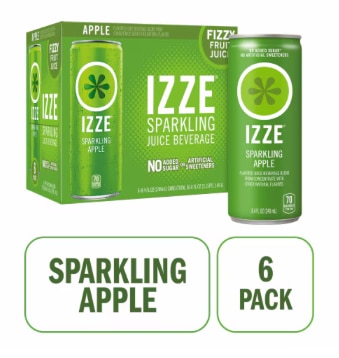
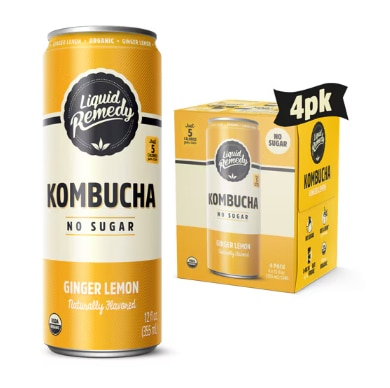
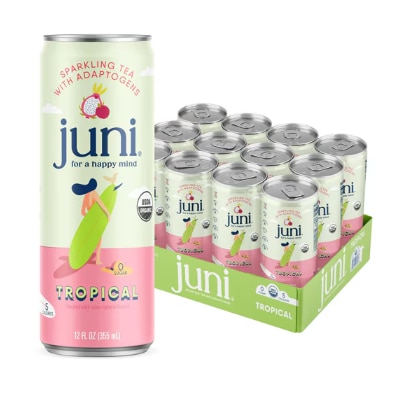
Speaking of which: Consider sating your craving with a zero-proof wine or an adaptogen-rich mocktail. Not only might it quench your thirst in the literal and metaphoric sense, but older (but no less relevant and fascinating) research also reveals that the mere taste of a nonalcoholic drink can trigger the same reward centers in the brain as the real deal.
Plus, there are hundreds upon hundreds of alcohol-free options now on the market—a fact that may have driven the percentage of American adults who drink alcohol down to a record-low fifty-four percent.
Unsure where to start? Muddle raw sugar with fresh lemons, add in three ounces of tonic water and a sprig of mint—and, voila: A mojita sans ramifications.
4. Leveraging “sober-strengthening” interventions
In a society that often salutes the salubrious side of drinking and downplays its consequences, you might find that you need all the help you can get.
Luckily, app developers and peer support leaders have listened: Today, there’s a wide range of digital tools to help you buck the habit, such as:
- Daily motivational emails or affirmations, like those you might find on “Insight of the Day” or “Take 5 with Mel Robbins”
- An app designed specifically for tracking sobriety and/or building powerful habits, including Reframe, SoberTool, Try Dry, or Quitzilla
- Utilizing a wearable device: Whether it’s an Apple watch or a Fitbit, a wearable device can help you monitor your sleep, exercise and diet metrics (and celebrate your progress)
Sound a little…forced to your ears?
Take it from the experts: Up to forty-five percent of people in substance use programs use digital interventions to complement their recovery, while the leader of the aforementioned study in Alcohol and Alcoholism said that “digital tools such as tracking apps, motivational content, and online community groups, are not just supplementary; they are highly effective mechanisms that significantly increase the likelihood of success and long-term reduction.”
5. Reexamining your relationship with alcohol
Perhaps you fall in line with the average American, who typically savors four drinks per week. Quite possibly, you’re a once-in-a-blue-moon imbiber, who just has a stem or two of champagne on special occasions. Or maybe you’ve noticed that you’re increasingly turning to a pint of beer or a homemade libation to manage anything that comes your way (good or bad) and have grown concerned with your rise in cravings.
In other words, your relationship with alcohol is as unique as your relationship with your partner, profession, or pastor—and now is the time to evaluate it.
If you drink only as a social lubricant, consider the company you keep and if you might need to seek out connections you feel immediately, and thoroughly, relaxed around without the need for what alcohol genuinely is: a depressant. If you toss back a shot or two to have fun (and wake up regretting it), explore other avenues of pleasure, whether that’s an art gallery walk on a Friday night with friends or engaging in a new, healthier hobby like tennis. And if you fall into the latter camp, set shame aside, show yourself some compassion, and address it: From 12-step programs and SMART Recovery to LifeRing and psychotherapy, there are dozens of way to receive meaningful and potent support for recovery.
6. Remaining mindful of alcohol’s harmful effects
Most of us are well-versed in the head-to-toe implications excessive alcohol can have on our health. But while older studies suggested that a moderate amount of alcohol could actually improve heart health and lower obesity rates, a mounting body of research illustrates the antithesis: Any bit of alcohol can heighten your susceptibility to a host of health complications, including:
- Breast cancer
- Liver disease
- Cardiovascular disease
- Mental health issues
- Type 2 diabetes
- Intestinal inflammation
Grave health conditions aside, alcohol consumption may also weaken your immune system, increase your blood pressure, add unwanted pounds to your scale and even temper your desire to exercise and enjoy life. Merely being pragmatic about alcohol’s deleterious effects may be all you need to embrace a more temperate future—or a lifetime of sobriety.
Featured Products