
As the weather cools, few things feel more comforting than a mug of warm, freshly brewed ginger tea. This soothing, aromatic drink hydrates the body while awakening the senses. Whether you’re a devoted ginger tea fan or just looking for new teas to try, ginger tea deserves a top spot on your winter beverage list. Let’s explore what ginger tea is, its benefits, how to prepare it and some simple ways to enjoy.
What is ginger tea?
Ginger is an aromatic root from the Zingiberaceae plant family and relative of popular spices cardamom, turmeric and galangal.
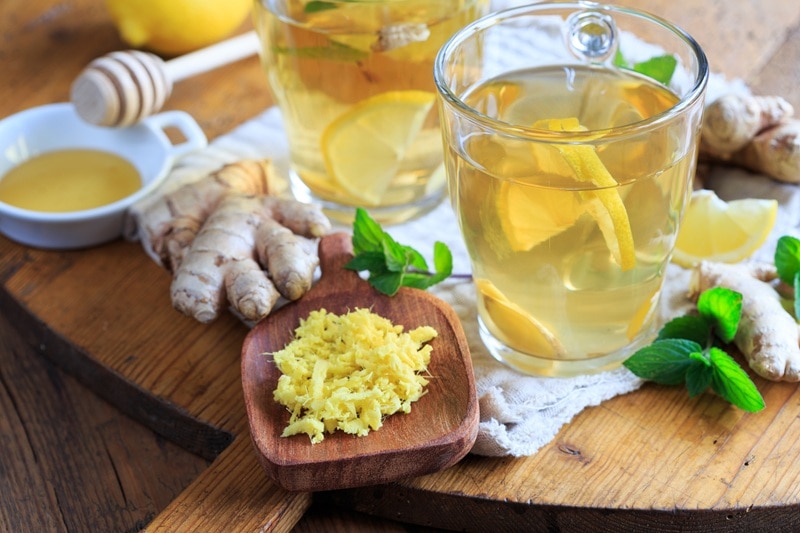
Ginger tea can be made using fresh ginger, ginger powder, loose-leaf ginger or ginger tea bags steeped in hot water. Because of its intense, unique flavor, sweeteners aren’t needed, but many people enjoy ginger tea with honey. When sipping naturally decaffeinated ginger tea, you’re drinking a blend of warmth, flavor and centuries-old tradition while also reaping some amazing health benefits.
What are some notable ginger tea benefits?
1. May help alleviate nausea and/or vomiting†
Ginger contains bioactive compounds, especially gingerols, that may ease nausea related to motion sickness, pregnancy morning sickness, chemotherapy and post-surgery side effects. Gingerol encourages the digestive tract to work more efficiently by helping food to leave the gut sooner.†
2. Promotes healthy digestion†
Ginger may help calm an unsettled digestive system by reducing gas and bloating. For certain gastrointestinal issues, such as indigestion, gastric ulcers, irritable bowel syndrome and inflammatory bowel disease, ginger may help with discomforts and offer symptom relief. More research is needed, however, to determine if ginger benefits hold true for the root in tea form.†
3. May help relieve pain†
Ginger’s anti-inflammatory and antioxidant compounds, gingerols, zingerone and shogaol, may naturally encourage pain relief. For example, studies have shown that ginger can provide cramp pain relief when taken at the beginning of the menstrual cycle. Pain relief may also be possible for migraines, sore muscles after a workout, lower back pain and knee osteoarthritis, according to other research.†
4. May protect healthy cells†
Gingerol and paradol are known to have antimicrobial properties that may fight bacteria such as Coli, Salmonella and Mycobacterium tuberculosis, to name a few. More research is needed before we know the full extent of benefits for cell protection. When an infection is suspected, ginger should not replace a health professional who can diagnose and provide proper treatment.†
5. May support a healthy inflammatory response†
Gingerol, zingerone and shogaol have been shown to help support a healthy inflammatory response in the body. Drinking ginger tea may be helpful for people with health concerns related to inflammation, such as joint or skin issues.†
6. Supports a healthy immune system†
The antimicrobial compounds in ginger may support the immune system, diminishing sore throats and promoting healthy nasal passageways. While not a cure-all, ginger tea can be a soothing addition when a person is feeling under the weather.†
Are there any drawbacks to ginger tea?
Most people tolerate ginger well. Some may experience drawbacks such as heartburn, abdominal discomfort, diarrhea and throat or mouth irritation. The Food and Drug Administration (FDA) recommends a maximum of 4 grams of ginger daily from all sources. Drinking ginger tea slowly and limiting intake to 1-2 cups is a good approach.
Ginger tea may be contraindicated with certain prescription medications and medical conditions. It’s always best to consult a healthcare provider before starting new herbs and supplements if you are pregnant, breastfeeding, undergoing chemotherapy, thinking about giving ginger tea to a child under the age of 6, or considering high-dose ginger in the form of food, drinks or supplements.
How to steep ginger tea
Fresh ginger: Wash, peel and slice a knob of ginger. Pour boiling water over the cut-up ginger slice in the teacup. Let the slices steep for up to 10 minutes to get the full essence of the ginger. Strain. Relax with a refreshing ginger drink.
Tea bag: Pour boiling water over a ginger tea bag. Let it steep per package directions. Drink while hot in an inspirational mug.
Looseleaf ginger: Add a teaspoon of looseleaf ginger to infuser. Place infuser in mug. Pour boiling water over it. Steep in boiling water 3-4 minutes. Remove infuser. Sip on freshly brewed ginger tea.
Creative ways to enjoy ginger tea
Ginger tea is incredibly versatile. You can indulge anytime of the day since ginger tea is naturally caffeine free.
Enhance your ginger tea-drinking experience with flavorful additions such as:
- Lemon, orange or pineapple slices
- Honey, maple syrup or sweetener of choice
- Herbs and spices like lemongrass, turmeric, cinnamon or cinnamon sticks, mint or peppermint
- Milk or creamer
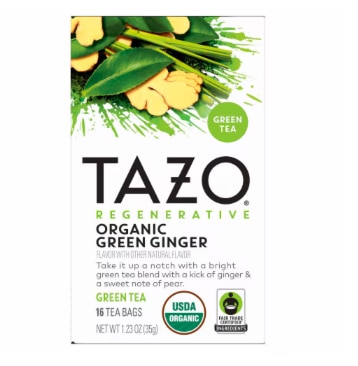
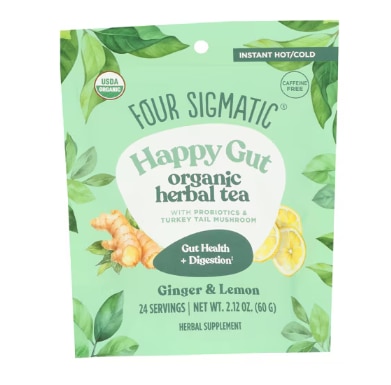
You can also purchase flavored tea blends like ginger lemon, ginger chai or ginger green tea. The flavor palates are many!
Favorite ginger tea products
Check out these picks to get acquainted (or reacquainted!) with ginger tea:
Buddha Teas Organic Ginger Root Tea
Bigelow Tea Steep Organic Herbal Tea Caffeine Free Lemon Ginger
Private Selection Herbal Tea Orange Ginger Turmeric
Celebration Herbals Organic Ginger Root Tea Caffeine Free
For questions about ginger, ginger tea or how any other food or ingredient may impact on your health, book a virtual nutrition counseling session with a Kroger registered dietitian, our nutrition experts, to provide guidance and support.
†These statements have not been approved by the Food and Drug Administration. These products are not intended to diagnose, treat, cure or prevent disease.
Featured Products