
Have you been working to shrink your environmental footprint? In addition to driving less, eating lower on the food chain and cutting waste, consider the environmental impacts of your cosmetics to lessen their effects on water, air and fragile ecosystems.
Understanding the environmental impacts of cosmetics
Like everything we use, cosmetics have an ecological footprint that includes the resources that go into making them, the packaging they come in and the transportation to get ingredients to producers and finished products to consumers. Once used, the chemicals in them and any packaging waste also have downstream environmental effects.
From our shampoo and deodorant to our lip balm and mascara, our choices about beauty products can have a surprisingly large impact on the environment. Here’s what to know about cosmetics’ environmental impact and what you can do to make your own contribution smaller.
Sourcing ingredients
Every ingredient used in cosmetics has an environmental footprint, but some are far bigger than others. Of particular concern if you’re trying to trim the eco-footprint of your beauty products are those that require clear-cutting forests to make way for intensive farming of ingredients.
Palm oil has had an especially damaging effect on ecologically-important rain forests. To keep up with rising demand for this common cosmetics and food ingredient, producers clear these critical ecosystems and replace them with palm oil plantations.
According to the World Wildlife Fund, palm oil is found in up to 50% of the packaged food and beauty products on supermarket shelves and accounts for 40% of all vegetable oil used globally. While palm oil’s usefulness in these products has driven a huge amount of deforestation, because it’s such an efficient crop to grow, shifting to alternative oils would require four to 10 times more land and have damaging effects on other ecosystems and species. The Roundtable on Sustainable Palm Oil (RSPO) is working to improve practices in the palm oil industry to protect ecosystems, water and soil, and is one of several certifications you can look for on your beauty products.
In addition to the climate impacts of clearing carbon-storing forests, the loss of these vast ecosystems has a profound impact on the wildlife that lived there. Numerous animals die in the fires used to clear the forests, while the loss of habitat further contributes to species decline.
Mining the mineral mica, which adds shimmer to many makeups, has also led to rainforest destruction and ecosystem degradation. Mica mining not only involves deforestation and habitat loss, but the chemicals used to mine the mineral get into the water and soil, hurting ecosystems downstream as well. Processing mica also releases pollutants into the air.
Chemicals used in cosmetics
While you’ve probably learned to watch chemicals in cosmetics for health reasons, you may not have thought much about the environmental impacts of these chemicals when they’re made and after they’re used. During production, they can pollute water, air and soil. After use, whatever we’ve put on our skin ultimately washes down the drain and joins all the other chemical contaminants that pollute waterways around the world.
One well-known example is chemical sunscreen. When swimmers wearing sunscreen containing the chemicals octinoxate and oxybenzone, they wash off in the water and harm coral reefs. While you may have found sunscreens labeled “reef safe,” these chemicals are also used in many moisturizers and foundations with SPF ratings, along with numerous other beauty products.
Another common ingredient to watch out for in toothpastes and antibacterial products is triclosan. Though banned from hand soaps in 2016, it’s still allowed in other cosmetics. When products containing triclosan wash down the drain, they wind up in our waterways, where they have toxic effects on aquatic plants and animals. Other common cosmetics chemicals, like parabens and siloxanes, also harm aquatic life.
Air pollution
When the ingredients of our personal care products are made, they can release pollution into the air in the form of volatile organic compounds (VOCs), particulates, and greenhouse gases from petroleum-based ingredients and packaging.
Additionally, virtually everything we buy has a transportation footprint, and cosmetics are no exception. When ingredients and finished products are shipped, each of those trips in a truck, plane, or ship adds some carbon and other pollution to the air.
Products that contain a lot of water, such as shampoo or body wash, are heavier and require more energy to move them around, creating more air pollution. One more reason to seek out more eco-friendly options like bar soaps and solid shampoos.
Plastic pollution
The vast majority of cosmetics come in plastic tubes or bottles, which are discarded when the consumer uses up the shampoo, toothpaste, or sunscreen. According to the Plastic Pollution Coalition, the cosmetics industry produces over 120 billion units of packaging worldwide, most of which winds up as plastic pollution. Most plastic packaging used for cosmetics is challenging to recycle, so it ends its single-use life in landfills and oceans.
More than unsightly, plastics in the environment pose a threat to ecosystems around the globe. As plastic waste slowly degrades, it becomes microplastics, which get in our air and water. Animals of all sizes ingest these microscopic bits of plastic, and as with humans, their health is affected by the chemicals the plastic was made from. Microplastics have been found in the cells of animals in the most remote regions of the world.
Plastics are also used in the cosmetics themselves. Though “microbeads” were banned from rinse-off products a decade ago, they were only a subset of microplastics used in cosmetics. Many common personal care products, from toothpaste to foundation, contain tiny plastic particles that ultimately get rinsed down the drain and pollute water and aquatic life.
Animal testing
In addition to the cruelty to animals involved in testing cosmetics on them, animal testing has a significant environmental impact. From the energy and water required to maintain testing labs to the chemicals used in testing and cleaning, the ecological footprint of animal testing is considerable.
Disposal of the contaminated bodies of test animals results in air, soil, and water pollution with hundreds of toxic chemicals, including heavy metals, carcinogens and radioactive substances.
Further, many animals used in testing are captured in the wild, affecting ecosystems and species decline. Researchers report that tens of thousands of wild monkeys are legally imported each year in the U.S. alone, and they suspect many more are caught and sold for animal testing illegally as well. Demand for primates like the long-tailed macaque has led to steep declines in wild populations, and they’re now considered endangered.
Reducing the impact of cosmetics
We can choose beauty products with far less impact on the environment with a minimal amount of effort. Here’s how:
Look for less packaging and seek alternatives to liquids
You can reduce your plastic footprint by looking for products with simple, plant-based ingredients in refillable or compostable packaging.
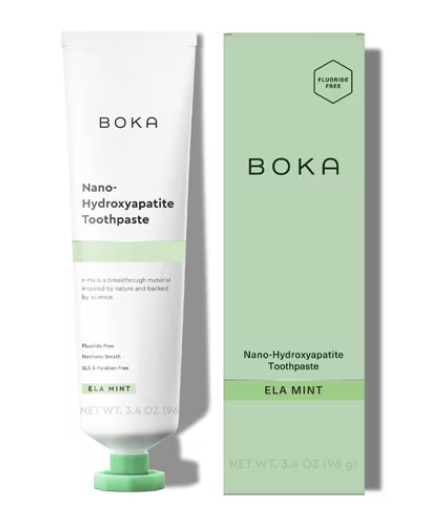
Look for products packed in compostable paper instead of single use plastic, such as plastic-free deodorant, toothpaste, face tint and lip gloss.
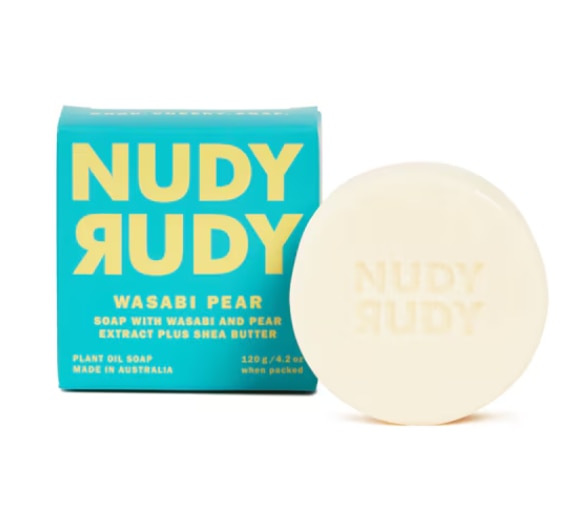
Choose minimally-packaged bar soap over liquid face and body washes to cut plastic waste and pollution caused by shipping heavy liquids. Shampoo bars and conditioner bars work beautifully in place of liquids in single-use plastic bottles.
Go natural
With the explosion of natural beauty products in recent years, it’s easier than ever to opt for products with ingredients derived from plants rather than synthetic chemicals. From shaving products to lip gloss, look for natural alternatives to synthetic-based cosmetics.
Make your own
There are easy ways to make your own cosmetics, including DIY natural makeup made from ingredients like arrowroot, cocoa, charcoal, and turmeric. Try homemade eyeshadow using vibrant spirulina or beet powder for color. You can even make your own mascara with a few simple ingredients.
For skin, you can try a DIY moisturizer, sugar scrub, or face wash. For hair, try using eco-friendly soapnuts as shampoo and give homemade conditioners a try. For days you don’t want to wash your hair, try a DIY dry shampoo made from pantry staples like baking soda and arrowroot.
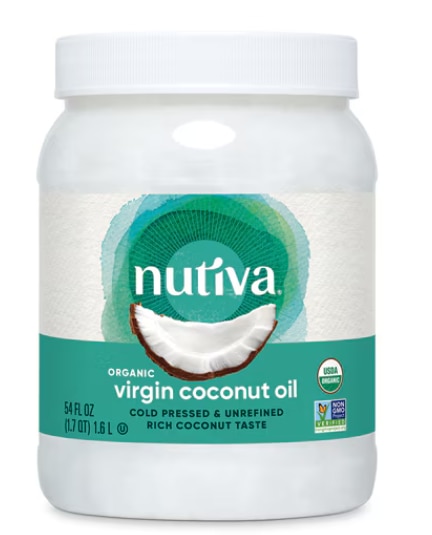
A glass jar of coconut oil has dozens of DIY beauty applications, from lip balm and makeup removal to shaving and moisturizing. It’s also one ingredient to try if you’d like to make DIY toothpaste or homemade deodorant.
Seek out certifications
You’ll find sustainably-minded companies with seals on their products that indicate better-for-the-planet practices. Some of the top ones to look for:
- B Corporation: Certified B Corporations go through a rigorous certification process to evaluate their environmental practices as well as social responsibility.
- EWG Verified: The Environmental Working Group maintains a vast database of products and ingredients evaluated for safety and eco-toxicity. The EWG seal only appears on products made without ingredients the organization has flagged for eco-toxicity or contamination concerns.
- Fair Trade: The Fair Trade seal indicates not just fair labor practices, but also environmental justice. Fair trade certification uses standards “designed to improve soil and water quality, avoid harmful chemicals, eliminate deforestation, manage waste, reduce greenhouse gas emissions and protect biodiversity.”
- Roundtable on Sustainable Palm Oil (RSPO): The RSPO seal is awarded to products using palm oil that was grown without harming fragile ecosystems.
- Forest Stewardship Council (FSC): Used for anything derived from wood, an FSC label means the product was sourced from sustainably-managed forests with protections for plant and animal species.
- Reef Protection Factor (RPF): While “reef safe” is an unregulated term companies can apply to their products, in 2025 a new certification process launched that evaluates products’ safety for coral reefs.
- Leaping Bunny: The Leaping Bunny logo lets you choose cruelty-free products not tested on animals. Checking the box that says “cruelty-free” when you’re searching for cosmetics will help you identify companies that have committed to creating products without animal testing.
Featured Products